"Our technicians provide same-day refrigerator repair in Alpharetta for all major brands including Samsung, LG, GE, Whirlpool, Bosch, Frigidaire and KitchenAid. We repair cooling issues, compressor failures, leaks, ice maker problems, thermostats and electrical faults. We waiver the trip fee upon any completed repair and offer an upfront flat-rate pricing breakdown."
Household appliances often communicate failures before a complete breakdown occurs. Watch for these common warning signals:
A refrigerator failing to cool is commonly caused by dirty condenser coils, a failed evaporator fan motor, a faulty start relay, or a failing compressor. We perform wiring checks and sensor calibration to pinpoint the exact failure loop. Our diagnostic procedure includes testing the NTC thermistor resistance curves using a digital multimeter at 32°F to verify voltage outputs. If the defrost control board fails to activate the heater element, the coils will pack with frost and choke the cold air supply loop, causing the fresh food cabinet temperature to rise. We clear the frost pack and replace the high-limit safety thermostat and heating tube to restore normal operating parameters.
View diagnostic stepsLeaking is typically caused by a clogged defrost drain line or a cracked water inlet valve. We flush the drain line with hot pressurized water and remove mold blockages. If the ice maker supply line is cracked, we run new braided steel lines to prevent catastrophic water leaks under your kitchen cabinets. A slow leak behind the rear panel often indicates a hairline crack in the dual water valve body, which can slowly spray water under high pressure and damage drywalls. We replace the entire valve assembly with genuine OEM components and test pressure seals at 80 PSI.
View diagnostic stepsNoisy operation usually points to a failing evaporator fan motor inside the freezer or a dirty condenser fan motor at the rear bottom. We replace worn sleeve bearings and fan blades. Grinding sounds from the cabinet can also indicate a failing damper control door motor, which we replace with genuine OEM parts. If the noise stops when the door is opened, the evaporator fan motor is definitely failing. If the noise is a loud vibration that stops when the unit is nudged, it is often the copper discharge lines rattling against the metal cabinet shell, which we realign and insulate.
View diagnostic stepsNo ice production is caused by a frozen fill tube, a failed water inlet valve, or a broken ejector gear module. We replace the valve and clear frozen channels. Our technicians check the precise water line pressure, as low pressure prevents the solenoid from closing fully, causing slow fill rates or tray overflows. If the tray sensor detects high temperatures, the cycle will not advance. We test the internal thermistor of the ice maker head and replace the control module assembly if the mechanical gears are stripped or binding during the harvest sweep.
View diagnostic stepsWhen a refrigerator is stuck in defrost mode, frost accumulates on the evaporator coils, blocking airflow. We test the defrost heater tube resistance, check the high-limit thermostat for continuity, and inspect the main electronic control board for burned solder joints. A failed defrost sensor sends incorrect resistance signals, leading the control board to skip the defrost cycle entirely. We cut out the failed bi-metal thermostat, splice in a new moisture-resistant OEM sensor, and seal connections with heat-shrink tubing to prevent corrosion.
View diagnostic stepsIf the freezer is cold but the fresh food section is warm, the culprit is often a failed auto-damper control, a blocked return air duct, or a failed thermistor sensor. We test damper door movement manually and verify digital control responses. If the damper door remains closed, cold air from the freezer cannot flow down to the lower cabinets. We replace the damper assembly, verify the return vents are clear of food blockages, and calibrate the electronic damper step motor control loops.
View diagnostic stepsTypical local service pricing ranges for Ice Maker Repair in Alpharetta and surrounding Fulton County communities:
| Service Job / Replacement Component | Estimated Price (Parts & Labor) | Average Duration |
|---|---|---|
| Full In-Home System Diagnostic | $79 (100% Credited with Repair) | 20–30 Minutes |
| Standard Component Repair (Sensors, Valves, Belts) | $140 – $240 | 45–60 Minutes |
| Major Assembly (Motors, Boards, Compressors) | $240 – $420 | 60–90 Minutes |
Our dispatch technicians provide same-day Ice Maker Repair across Alpharetta (30004, 30005, 30009, 30022), Roswell (30075, 30076), Milton (30004), Johns Creek (30097), Cumming, and Sandy Springs. All repair work comes backed by our 90-day parts and labor warranty.
We service and carry OEM parts for these specific product families:
Expected Operating Life: 10 to 14 years with routine preventative tuneups.
Summer refrigerator tips: Adjust thermostat settings to compensate for high ambient kitchen temperatures.
Samsung recommends maintaining a 2-inch clearance on all sides of the refrigerator. LG recommends replacing the water filter every 6 months to prevent ice maker damage.
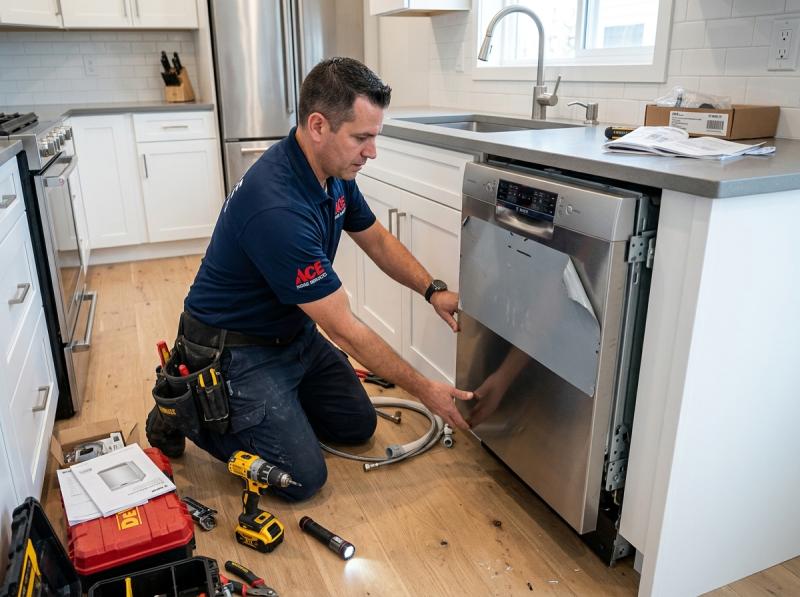
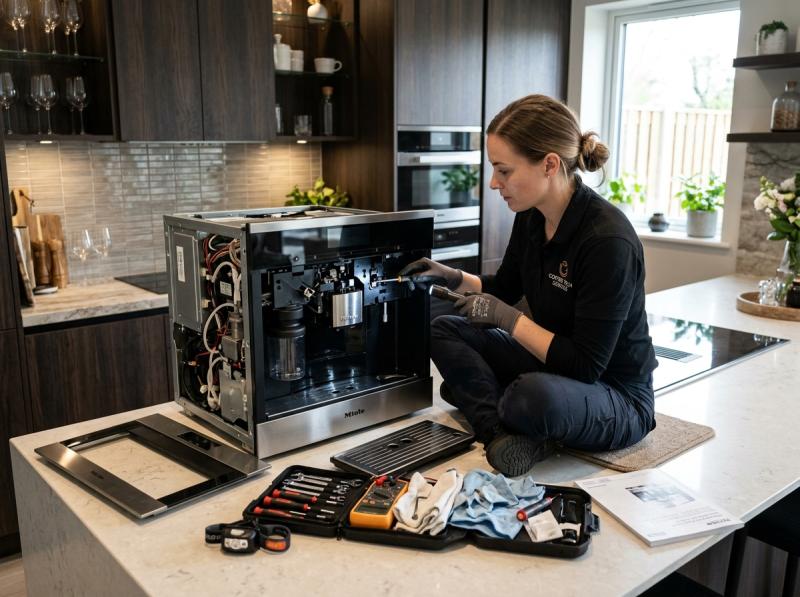
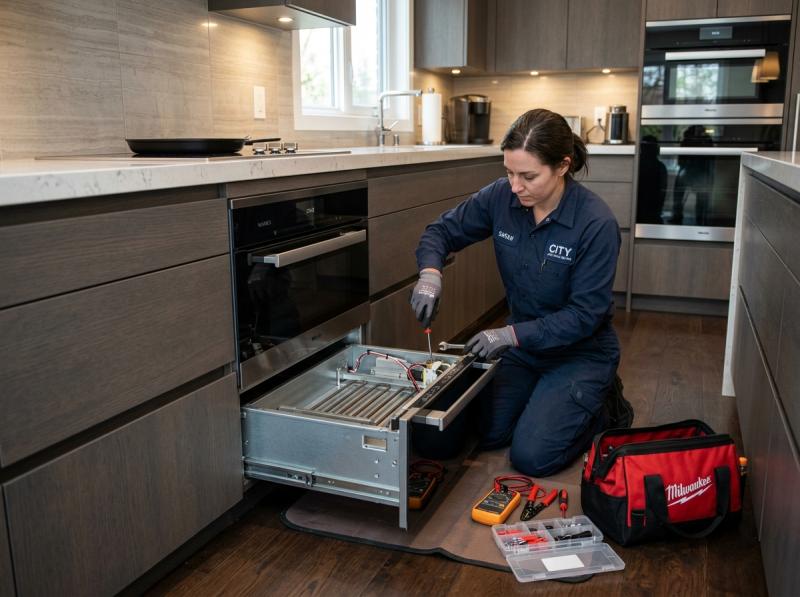
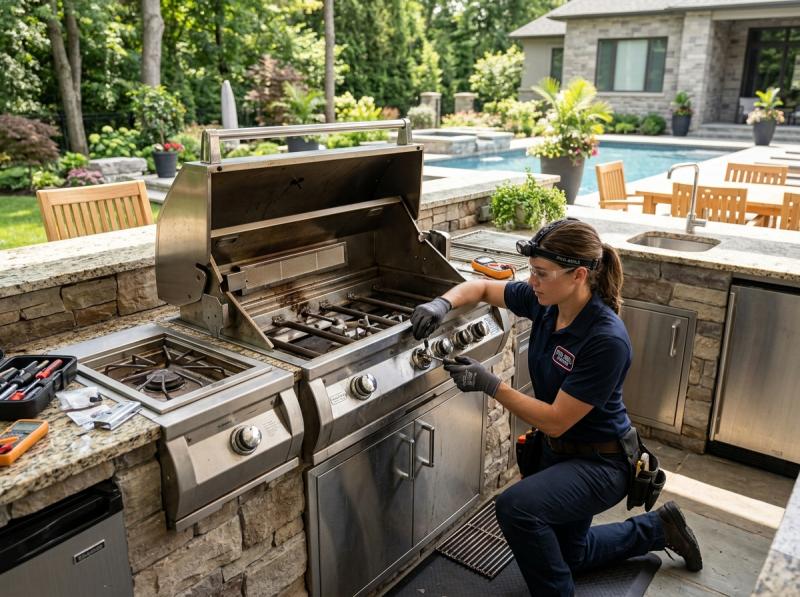
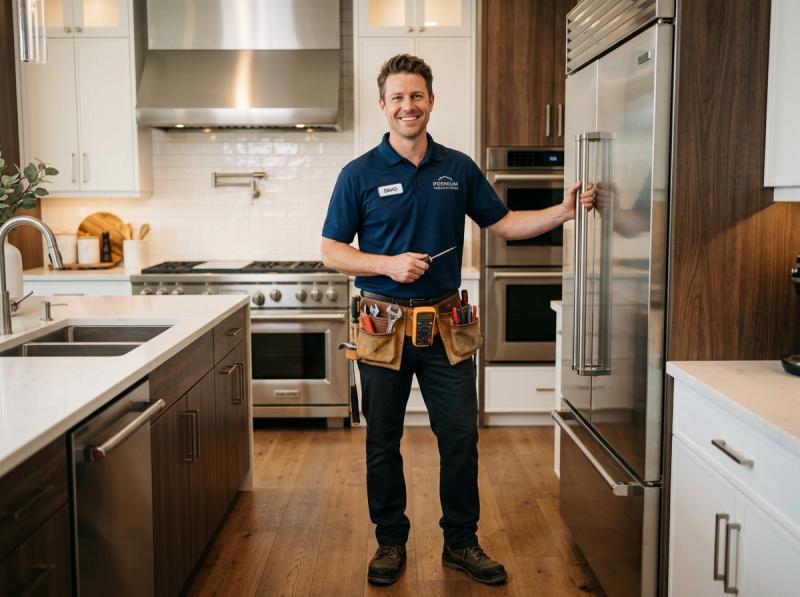
Real, unedited photos of our diagnostic and mechanical replacement visits:
How we ensure absolute accuracy and safety during every service dispatch:
Call our local dispatch desk directly to secure a same-day technician visit.
Speak With A Ice Maker Specialist Now| Metric | Standard Parameters |
|---|---|
| Average Time | 45 to 90 minutes per service session. |
| Repair Cost Range | $250 - $650 (depending on parts and complexity) |
| Repair vs Replace | Under 8 years old: Repair is highly recommended. Over 12 years old: Replacement is often more cost-effective. Compressor failures on units over 10 years old typically warrant replacement because of the high labor and parts cost associated with sealed system repairs. However, high-end built-in refrigerators like Sub-Zero or Viking are designed to last 20+ years, making repairs viable even on older units. |
| Warranty Period | 90-day parts and labor warranty on all completed repairs. |
Our service mechanics follow a strict engineering diagnostic flow during every service visit. We begin by verifying ground loops, analyzing live voltage drops at control relays, and testing active sensors. If the control board is unresponsive, we measure the incoming AC voltage at the main power block, checking for open circuit connections or blown secondary fuses.
For heating components, we test continuity and resistance values of the element loops. A normal element typically reads between 10 to 30 ohms; a reading of zero indicates a dead short, whereas an infinite reading signifies an open circuit filament. In refrigeration loops, we analyze the thermodynamics of the coils by measuring high and low pressure bounds, checking for refrigerant restriction or low gas charges that choke cooling performance.
Lastly, we analyze error codes stored in the digital microprocessor memory. Every modern appliance retains a history of operational fault codes that guide our repair steps. By running diagnostic software sweeps, we can cycle through solenoids, pumps, and motors individually, testing their mechanical movement and power consumption under actual load conditions.
Furthermore, during our diagnostic protocol, we inspect all mechanical assemblies including fans, door hinges, and belt tensioners for physical wear. If a water-bearing appliance is being serviced, we conduct water hardness checks and verify inlet valve flow rates to ensure optimal supply pressure. Every component is measured against its original manufacturer specifications to identify borderline components before they result in a complete system failure.
A worn or malfunctioning appliance draws significantly more electricity than a fine-tuned unit. For example, dirty condenser coils on a refrigerator force the compressor to work up to 40% harder to dissipate heat, driving up your monthly utility bill and accelerating compressor bearing wear. By cleaning the coils and adjusting internal damper control pathways, we restore the unit to its original energy efficiency rating.
Similarly, a washing machine with a clogged drain pump or worn suspension rods draws excess amperage during spin cycles to compensate for structural imbalance. This extra electrical load heats up the motor windings, wearing down the insulation layers and leading to a premature motor burnout. Our preventative adjustments ensure that your appliances operate in their optimal green efficiency zone.
Beyond the compressor and motor windings, mechanical blockages inside fans or clogged ventilation ducts restrict normal airflow paths, forcing cooling or heating cycles to extend longer than necessary. This increased cycle time increases energy draw on household circuits and heats up the internal operating control relays. By cleaning vents, clearing clogged impellers, and replacing failing damper controls, we optimize your appliance operation back to its original factory efficiency specifications.
Attempting to repair modern home appliances without professional training presents serious risks. Large kitchen and laundry systems operate on high-voltage lines (typically 120V to 240V AC) that can deliver lethal electric shocks. Additionally, appliances that utilize gas lines require precise combustion and pressure calibrations; a minor leak or loose fitting can result in dangerous gas accumulation and fire hazards.
Furthermore, DIY attempts often void existing manufacturer warranties. If a non-certified individual replaces a control board or cuts into sealed refrigerant lines, manufacturers will refuse to cover any subsequent failures. Our licensed, background-checked, and insured technicians protect your warranty status by installing factory-authorized OEM parts and following approved engineering procedures.
In addition to safety hazards, DIY attempts often fail to resolve the root cause of the failure. An inexperienced homeowner might replace a control board when the actual failure is a shorted wire harness or a faulty sensor bi-metal, leading to wasted expenses and unresolved operational failures. Our certified mechanics utilize advanced electrical diagnostics to isolate the exact failing element, saving you time and diagnostic costs.
Commercial appliances are designed for near-constant operation, utilizing heavy-duty components like commercial-grade motors, high-volume compressors, and heavy gauge stainless steel frames. Residential appliances, on the other hand, are engineered for lighter daily use. When a residential unit is subjected to heavy duty cycles, its internal relays and thermal limits wear down rapidly, requiring frequent diagnostic resets.
Our technicians are factory-trained in both commercial and residential appliance platforms. We analyze duty cycles, check airflow restrictions, and ensure that commercial ice machines or laundry units receive high-capacity parts replacements that can withstand constant physical demand, matching local commercial safety regulations.
Clean condenser coils at the bottom of the unit every 6 months to maintain airflow and extend compressor life.
Always disconnect the electrical power supply before attempting to clean coils or inspect internal fan blades.
Detailed walkthroughs of repair dispatches performed in your local neighborhood:
"A homeowner in Windward contacted us because their Samsung refrigerator stopped cooling. Our technician diagnosed a failed evaporator fan motor, replaced the part, and restored cooling the same day."
"A customer in Avalon had a leaking Whirlpool refrigerator. We cleared a clogged defrost drain line and replaced a worn water inlet valve, stopping the leak completely."
"In Downtown Alpharetta, we repaired an LG refrigerator that was making a loud buzzing sound. The technician replaced a worn condenser fan motor assembly, restoring quiet operation."
"A resident near North Point Mall reported their Sub-Zero built-in unit was running constantly. We cleaned the heavily impacted condenser coils and replaced a faulty temperature sensor, reducing energy draw by 35%."
Water leaking is typically caused by a clogged defrost drain tube. During the defrost cycle, melted ice drains into a pan under the unit. If this tube is blocked by ice, mold, or food debris, water overflows into the fresh food compartment and onto your kitchen floor. We clear this line using high-pressure air and hot water flushes.
We recommend cleaning the condenser coils at least twice a year (every 6 months). If you have shedding pets in the house, clean them every 3 months to prevent dust and hair from choking the compressor, which leads to high energy bills and premature motor failures.
The ideal temperature setting for a residential refrigerator is between 35°F and 38°F. The freezer should be set to exactly 0°F to keep food frozen and prevent bacterial growth. If temperatures fluctuate, we inspect the NTC sensors.
Ice maker failures are usually caused by a failed water inlet solenoid valve, a frozen fill tube, or a broken ejector arm motor. If the freezer temperature rises above 10°F, the ice maker cycle will also deactivate automatically for safety.
Yes! The start relay sends a surge of electricity to start the compressor. If it fails, the compressor will not turn on, resulting in no cooling. You will often hear a clicking sound every few minutes as the compressor attempts to start but trips the overload.
A professional sealed-system compressor replacement takes between 2 to 3 hours. It requires recovering the old refrigerant, cutting and brazing new copper lines, vacuuming the system down to 500 microns, and charging precise amount of fresh freon.
Yes, our certified technicians are trained to diagnose smart refrigerators. We check control boards, Wi-Fi modules, digital touch displays, and interior cameras for Samsung Family Hub and LG InstaView models, resetting network systems.
It depends on the repair. If the failure is a minor fan motor, thermostat, or start relay, repair is highly recommended. However, if the compressor has failed on a 10-year-old unit, replacement is usually the better investment.
A high-pitched noise usually indicates a failing evaporator fan motor bearing inside the freezer. When the bearings wear thin, the metal shaft vibrates at high speed, creating a screech. We replace the fan motor to prevent it from stalling.
Sealed system repairs involve components that contain refrigerant, such as the compressor, evaporator coils, condenser, and filter drier. These repairs require EPA certification to handle and recharge freon gases safely.
Perform the paper money test: place a dollar bill between the gasket and the cabinet frame, then close the door. Pull the bill; if it slides out easily without resistance, your gasket is worn out and allowing warm air inside.
If there is a refrigerant leak, the cooling capacity drops, causing the compressor to run constantly. You will often see a heavy ball of ice on only one corner of the evaporator coils, while the rest remains completely dry.
Call our local helpline to speak directly with an expert technician.
Call Our Help Desk: (770) 796-7742Select from our authorized brand specialists, troubleshooting guides, error codes, and nearby service suburbs.
