"Our local technicians provide same-day washer repair in Alpharetta for all major brands including Samsung, LG, GE, Whirlpool, Bosch, and Maytag. We fix spin cycle issues, drainage failures, leaks, drum noise, and electrical control board faults."
Household appliances often communicate failures before a complete breakdown occurs. Watch for these common warning signals:
Commonly caused by a worn drive belt, a broken lid switch, a failed direct-drive hall sensor, or broken tub suspension rods. We inspect these moving components to ensure proper balance. In newer smart washers, a failed control board relay can also prevent the motor from entering high-speed spin modes. We calibrate the optical speed sensors and test the motor winding resistance to ensure the motor is receiving full power.
View diagnostic stepsTypically caused by coins, socks, or lint blocking the drain pump filter, or a failed drain pump motor. We clear obstructions and replace damaged pumps. We also inspect the standpipe and drain hose to ensure there is no siphon block. If the drain path is clear, we check the water pressure switch, which tells the machine when the water has emptied. If this switch is clogged with detergent, the washer will stall.
View diagnostic stepsLeaking is caused by a torn door boot gasket (front-loaders) or a cracked tub seal. We replace seals to prevent electrical shorts. We also check the water inlet connection hoses for signs of rust or rubber degradation. A slow leak during the spin cycle is often caused by a loose tub-to-pump hose, which we secure with heavy-duty tension clamps.
View diagnostic stepsExcessive vibration during the spin cycle points to worn suspension rods or a cracked spider arm assembly inside the outer tub. We perform structural rebuilds to stabilize the washing drum. In front-load washers, worn drum bearings create a loud roaring noise like a jet engine. We replace the rear outer tub and bearings to restore quiet operation.
View diagnostic stepsWhen a washing machine refuses to fill, we inspect the mesh filter screens inside the water inlet valves. If these are clear, we test the inlet valve solenoid coils for electrical continuity using a multimeter. If the water supply pressure is under 20 PSI, the safety valves will not open, which we troubleshoot at the water supply faucets.
View diagnostic stepsModern washers utilize automatic locks for safety. If the door lock switch fails, the control board will not allow the motor to spin or agitate. We replace these lock switches and clear active error codes. We test the door lock solenoid resistance and inspect the door strike hook to ensure mechanical alignment is correct.
View diagnostic stepsTypical local service pricing ranges for Washing Machine Repair in Alpharetta and surrounding Fulton County communities:
| Service Job / Replacement Component | Estimated Price (Parts & Labor) | Average Duration |
|---|---|---|
| Full In-Home System Diagnostic | $79 (100% Credited with Repair) | 20–30 Minutes |
| Standard Component Repair (Sensors, Valves, Belts) | $140 – $240 | 45–60 Minutes |
| Major Assembly (Motors, Boards, Compressors) | $240 – $420 | 60–90 Minutes |
Our dispatch technicians provide same-day Washing Machine Repair across Alpharetta (30004, 30005, 30009, 30022), Roswell (30075, 30076), Milton (30004), Johns Creek (30097), Cumming, and Sandy Springs. All repair work comes backed by our 90-day parts and labor warranty.
We service and carry OEM parts for these specific product families:
Expected Operating Life: 9 to 12 years with routine preventative tuneups.
Winter washer tips: Insulate supply lines in garages or crawl spaces to prevent freezing and bursting during freezing GA temperatures.
LG recommends using only HE detergent to prevent tub build-up and mold. Whirlpool recommends checking the inlet hoses every 5 years for signs of cracking.
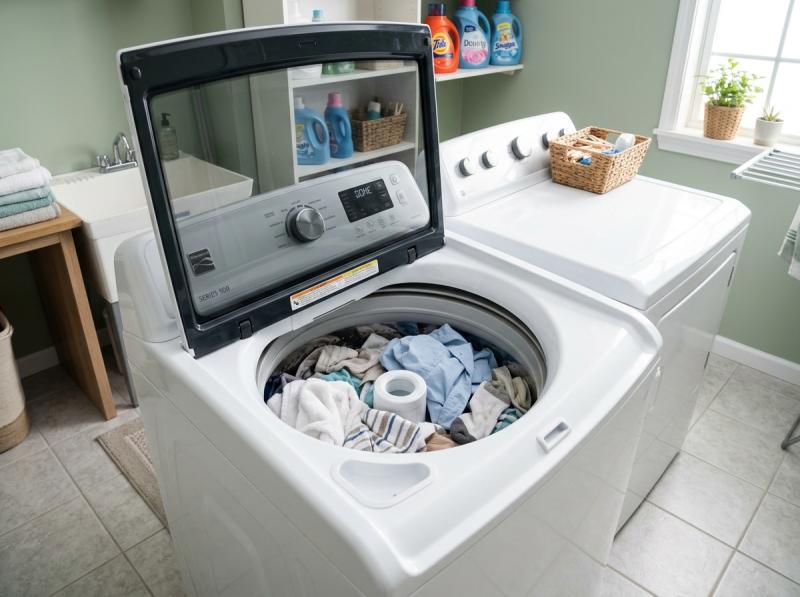
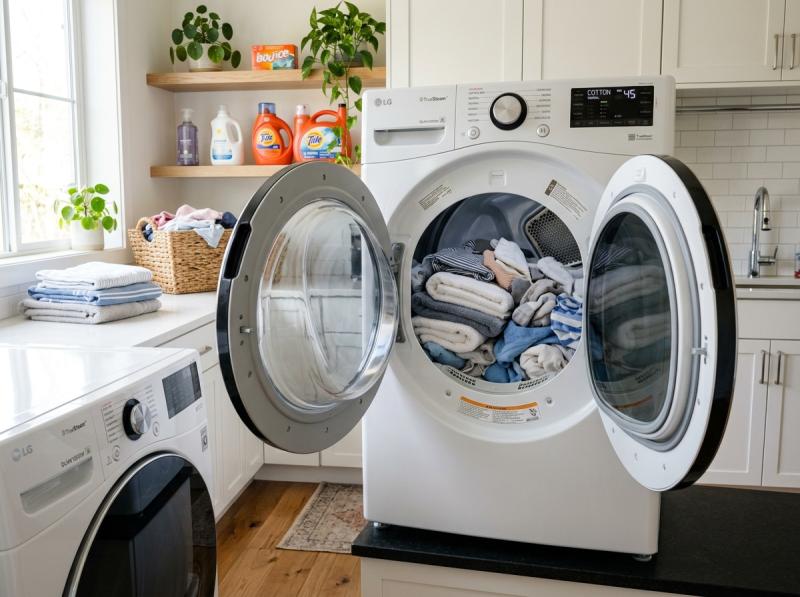
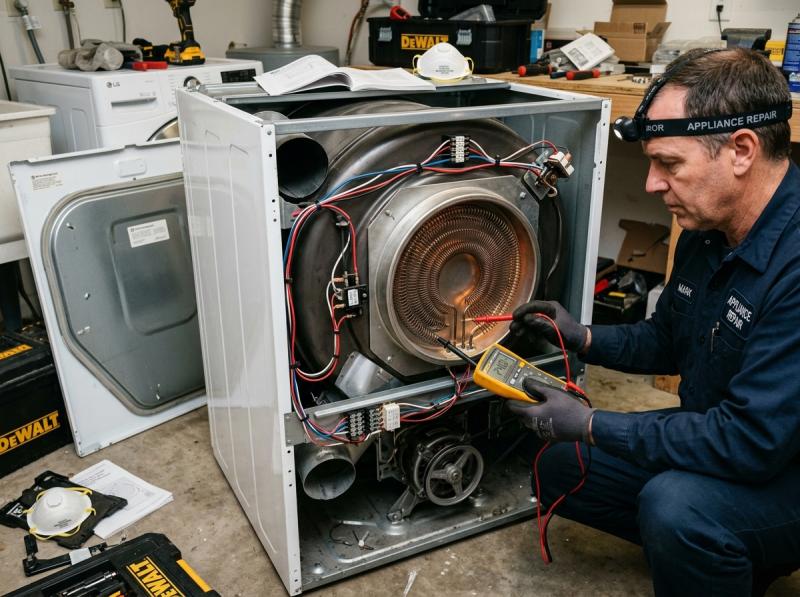
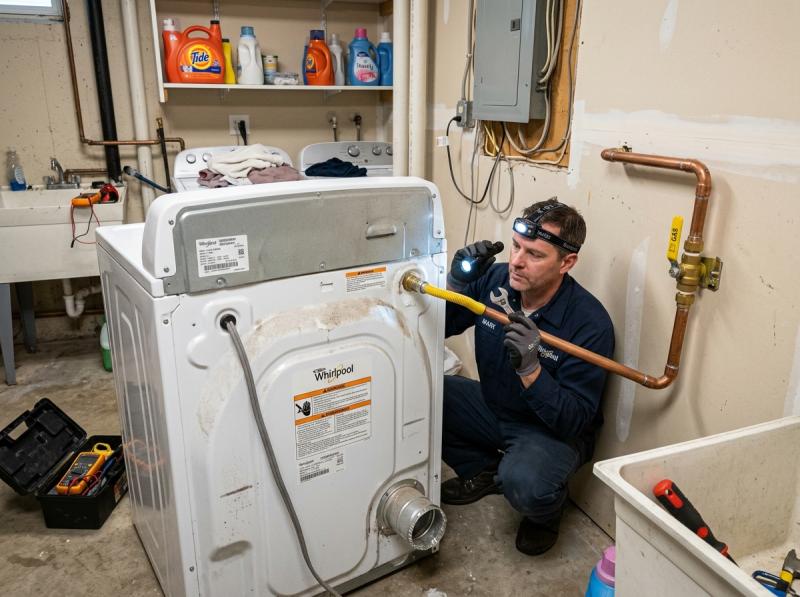
Real, unedited photos of our diagnostic and mechanical replacement visits:
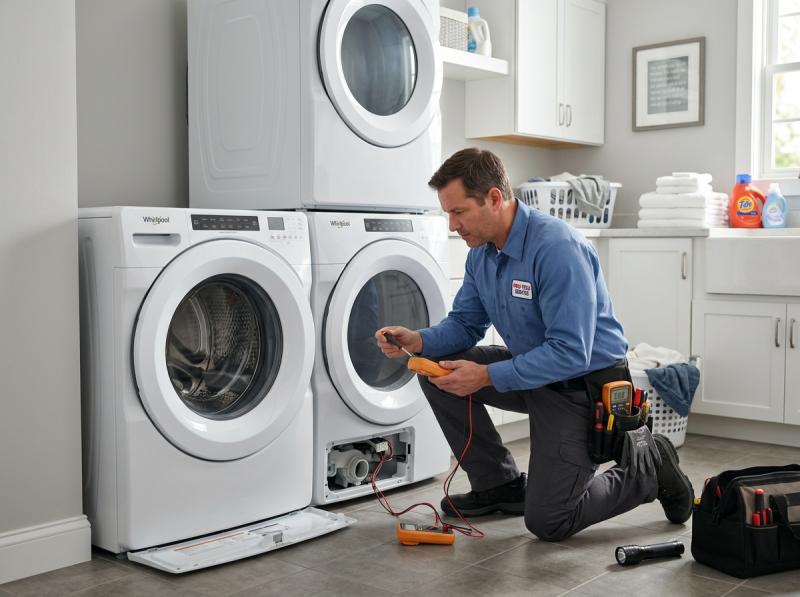
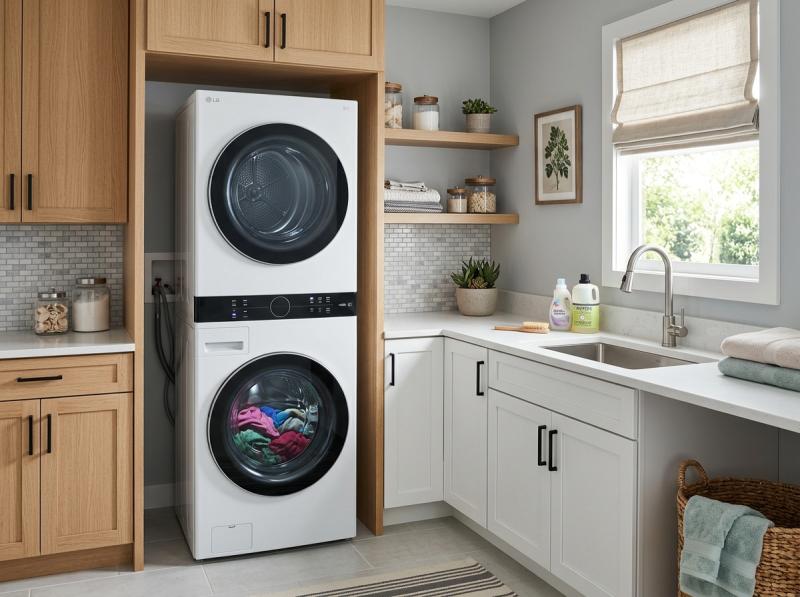
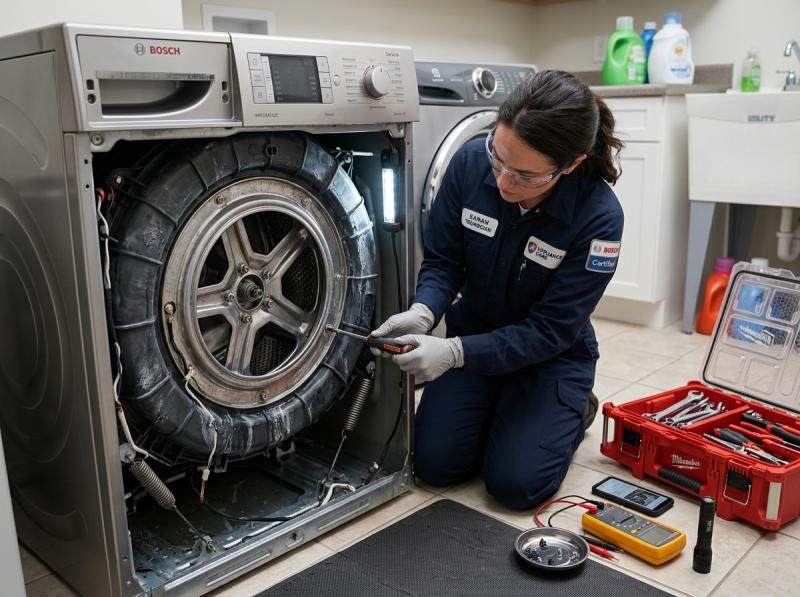
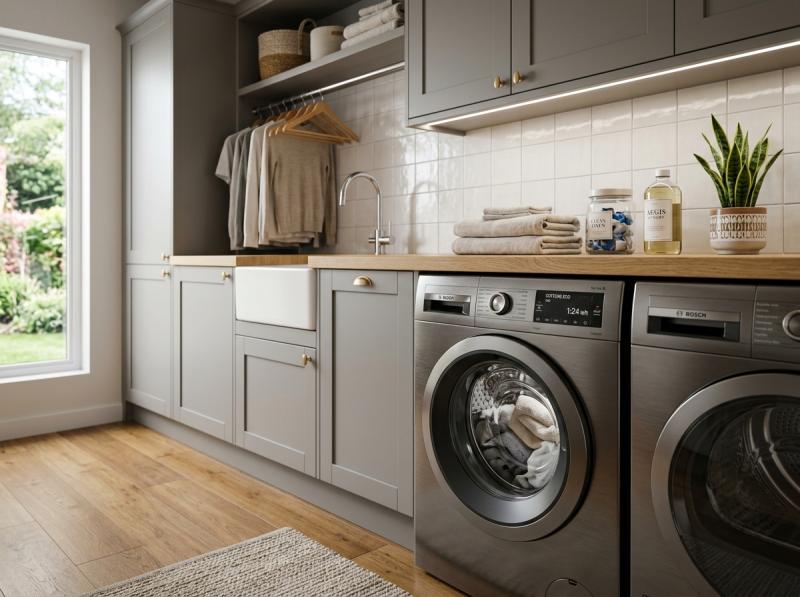
How we ensure absolute accuracy and safety during every service dispatch:
Call our local dispatch desk directly to secure a same-day technician visit.
Speak With A Washing Machine Specialist Now| Metric | Standard Parameters |
|---|---|
| Average Time | 45 to 90 minutes per service session. |
| Repair Cost Range | $180 - $380 |
| Repair vs Replace | Under 7 years old: Repair is recommended. Over 10 years old: Consider replacing, especially if the main tub bearings or transmission have failed, as these require complete teardown of the washer casing and are labor-intensive. However, premium commercial-grade washers like Speed Queen are built to last 20+ years, making repairs highly viable. |
| Warranty Period | 90-day parts and labor warranty. |
Our service mechanics follow a strict engineering diagnostic flow during every service visit. We begin by verifying ground loops, analyzing live voltage drops at control relays, and testing active sensors. If the control board is unresponsive, we measure the incoming AC voltage at the main power block, checking for open circuit connections or blown secondary fuses.
For heating components, we test continuity and resistance values of the element loops. A normal element typically reads between 10 to 30 ohms; a reading of zero indicates a dead short, whereas an infinite reading signifies an open circuit filament. In refrigeration loops, we analyze the thermodynamics of the coils by measuring high and low pressure bounds, checking for refrigerant restriction or low gas charges that choke cooling performance.
Lastly, we analyze error codes stored in the digital microprocessor memory. Every modern appliance retains a history of operational fault codes that guide our repair steps. By running diagnostic software sweeps, we can cycle through solenoids, pumps, and motors individually, testing their mechanical movement and power consumption under actual load conditions.
Furthermore, during our diagnostic protocol, we inspect all mechanical assemblies including fans, door hinges, and belt tensioners for physical wear. If a water-bearing appliance is being serviced, we conduct water hardness checks and verify inlet valve flow rates to ensure optimal supply pressure. Every component is measured against its original manufacturer specifications to identify borderline components before they result in a complete system failure.
A worn or malfunctioning appliance draws significantly more electricity than a fine-tuned unit. For example, dirty condenser coils on a refrigerator force the compressor to work up to 40% harder to dissipate heat, driving up your monthly utility bill and accelerating compressor bearing wear. By cleaning the coils and adjusting internal damper control pathways, we restore the unit to its original energy efficiency rating.
Similarly, a washing machine with a clogged drain pump or worn suspension rods draws excess amperage during spin cycles to compensate for structural imbalance. This extra electrical load heats up the motor windings, wearing down the insulation layers and leading to a premature motor burnout. Our preventative adjustments ensure that your appliances operate in their optimal green efficiency zone.
Beyond the compressor and motor windings, mechanical blockages inside fans or clogged ventilation ducts restrict normal airflow paths, forcing cooling or heating cycles to extend longer than necessary. This increased cycle time increases energy draw on household circuits and heats up the internal operating control relays. By cleaning vents, clearing clogged impellers, and replacing failing damper controls, we optimize your appliance operation back to its original factory efficiency specifications.
Attempting to repair modern home appliances without professional training presents serious risks. Large kitchen and laundry systems operate on high-voltage lines (typically 120V to 240V AC) that can deliver lethal electric shocks. Additionally, appliances that utilize gas lines require precise combustion and pressure calibrations; a minor leak or loose fitting can result in dangerous gas accumulation and fire hazards.
Furthermore, DIY attempts often void existing manufacturer warranties. If a non-certified individual replaces a control board or cuts into sealed refrigerant lines, manufacturers will refuse to cover any subsequent failures. Our licensed, background-checked, and insured technicians protect your warranty status by installing factory-authorized OEM parts and following approved engineering procedures.
In addition to safety hazards, DIY attempts often fail to resolve the root cause of the failure. An inexperienced homeowner might replace a control board when the actual failure is a shorted wire harness or a faulty sensor bi-metal, leading to wasted expenses and unresolved operational failures. Our certified mechanics utilize advanced electrical diagnostics to isolate the exact failing element, saving you time and diagnostic costs.
Commercial appliances are designed for near-constant operation, utilizing heavy-duty components like commercial-grade motors, high-volume compressors, and heavy gauge stainless steel frames. Residential appliances, on the other hand, are engineered for lighter daily use. When a residential unit is subjected to heavy duty cycles, its internal relays and thermal limits wear down rapidly, requiring frequent diagnostic resets.
Our technicians are factory-trained in both commercial and residential appliance platforms. We analyze duty cycles, check airflow restrictions, and ensure that commercial ice machines or laundry units receive high-capacity parts replacements that can withstand constant physical demand, matching local commercial safety regulations.
Run an empty hot wash with vinegar or washing machine cleaner once a month to remove mold and soap scum buildup.
Always unplug the washing machine from the wall outlet and turn off the water supply valves before servicing.
Detailed walkthroughs of repair dispatches performed in your local neighborhood:
"In Windward, we repaired a Samsung washer that refused to spin. The technician replaced a set of worn suspension rods, restoring perfect balance."
"A customer near Avalon had an LG washer that wouldn't drain. We cleared a pocketful of coins from the pump filter and replaced a damaged drain pump."
"In Downtown Alpharetta, we resolved a leak on a Whirlpool front-load washer by replacing a torn door boot gasket."
"A homeowner near Big Creek Greenway reported their top-load washer wouldn't fill. We replaced a failed hot-cold water inlet valve solenoid, restoring full pressure."
Washer spin failures are commonly caused by a broken door lid switch, a worn drive belt, or an unbalanced load. In direct-drive models, a failed rotor position sensor (hall sensor) will prevent the control board from activating spin speeds, throwing a motor error code.
Drain failures are almost always caused by a clog in the drain pump filter. Small items like coins, hairpins, or baby socks slip past the tub and block the impeller. If the filter is clear, the drain pump motor itself is likely burned out and needs replacement.
A loud banging sound during the spin cycle indicates that the washer tub is out of balance. This is caused by broken or stretched suspension rods (in top-loaders) or worn main tub bearings and a cracked spider bracket (in front-loaders). We replace suspension packages.
After every wash, wipe down the rubber door boot gasket with a dry towel. Leave the door slightly ajar to allow airflow. Once a month, run a hot cycle with bleach or a dedicated washer cleaner tablet to kill mold and yeast colonies.
Bottom leaks are usually caused by a cracked drain pump casing, a loose water connection hose, or a failing tub seal. We pressure-test the unit during diagnostic cycles to find the exact origin of the leak and replace worn clamps.
Yes! The washer control board monitors the water levels. If the water inlet valve solenoids are burned out, water will not enter the tub, and the cycle will stall at the sensing phase. We replace the dual inlet valve assembly.
You should run a tub clean cycle once a month. This prevents detergent residue, hard water minerals, and organic debris from building up behind the outer wash drum, preventing mildew odor from transferring to your clothes.
Yes! We service commercial washers, stackable laundry centers, and coin-op laundry units in multi-family housing complexes, salons, and local Alpharetta businesses, using commercial grade parts.
This code indicates that the control board has detected excessive soap suds in the drum. The washer will enter a suds reduction pause. This is caused by using non-HE detergent or using too much detergent per load.
Violent shaking is usually caused by worn tub suspension rods or the machine not being level. We adjust the leveling legs and lock nuts, and inspect the dampening rings to ensure the washer is planted firmly on the floor.
If the water level sensor detects that water is still inside the tub, the door lock will remain engaged for safety. If the machine is empty, the door lock latch mechanism is likely broken or jammed electrically. We perform a manual override release.
We test the pump motor windings for resistance using a multimeter. If the resistance is zero (short circuit) or infinite (open winding), the motor is dead. We also verify if 120V AC is reaching the pump during the drain phase.
Call our local helpline to speak directly with an expert technician.
Call Our Help Desk: (770) 796-7742Select from our authorized brand specialists, troubleshooting guides, error codes, and nearby service suburbs.
