"Looking for dependable Manitowoc ice machine repair in Alpharetta GA? Our technicians specialize in Indigo NXT controller diagnostics, water curtain microswitch adjustments, and compressor replacements with fast commercial dispatch."
Household appliances often communicate failures before a complete breakdown occurs. Watch for these common warning signals:
If slabs harvest too thin or too thick, the acoustic ice sensor frequency has drifted. We clean probe faces, test pulse feedback, and install updated factory probes.
View diagnostic stepsContinuous water dripping down the drain during the freeze cycle starves the reservoir. We replace worn diaphragm seals and dump valve solenoids.
View diagnostic stepsThe curtain switch signals the board that ice has cleared. Corroded reed switches cause false "bin full" lockouts. We replace curtain magnets and reed sensors.
View diagnostic stepsTypical local service pricing ranges for Manitowoc Appliance Repair in Alpharetta and surrounding Fulton County communities:
| Service Job / Replacement Component | Estimated Price (Parts & Labor) | Average Duration |
|---|---|---|
| Full In-Home System Diagnostic | $79 (100% Credited with Repair) | 20–30 Minutes |
| Standard Component Repair (Sensors, Valves, Belts) | $140 – $240 | 45–60 Minutes |
| Major Assembly (Motors, Boards, Compressors) | $240 – $420 | 60–90 Minutes |
Our dispatch technicians provide same-day Manitowoc Appliance Repair across Alpharetta (30004, 30005, 30009, 30022), Roswell (30075, 30076), Milton (30004), Johns Creek (30097), Cumming, and Sandy Springs. All repair work comes backed by our 90-day parts and labor warranty.
We service and carry OEM parts for these specific product families:
Expected Operating Life: Manitowoc commercial systems are engineered for 12 to 20+ years of high-volume service with routine quarterly maintenance. with routine preventative tuneups.
Clean condenser coils prior to summer heat peaks to prevent high-head-pressure compressor shutdowns.
Maintain proper airflow clearances around condensing units, adhere strictly to sanitization schedules, and use only factory OEM components.
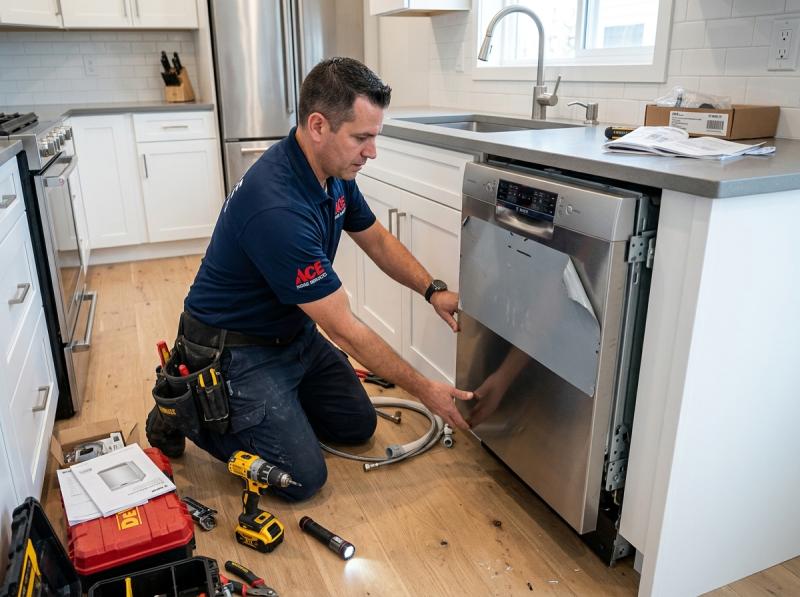
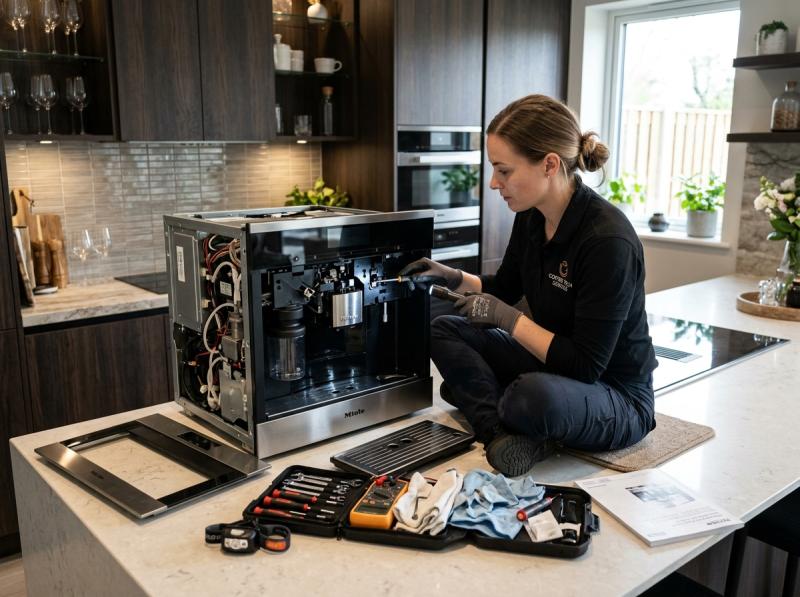
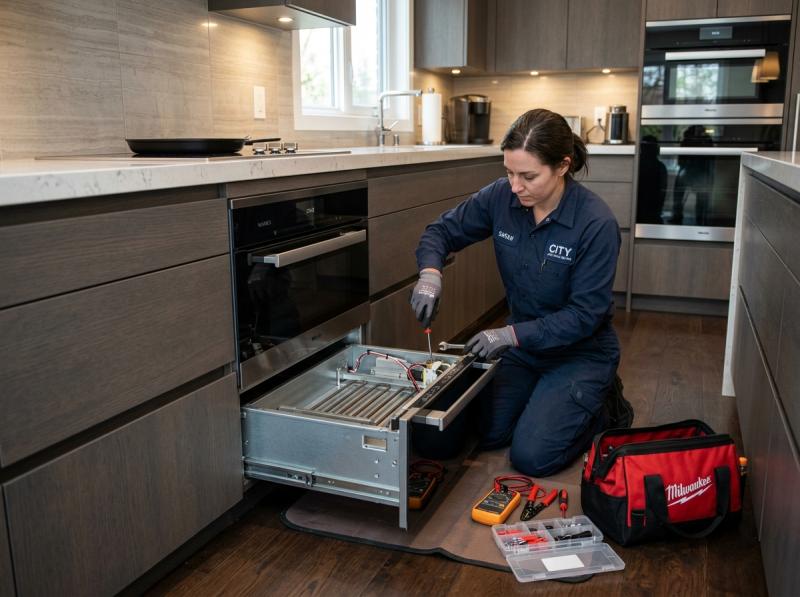
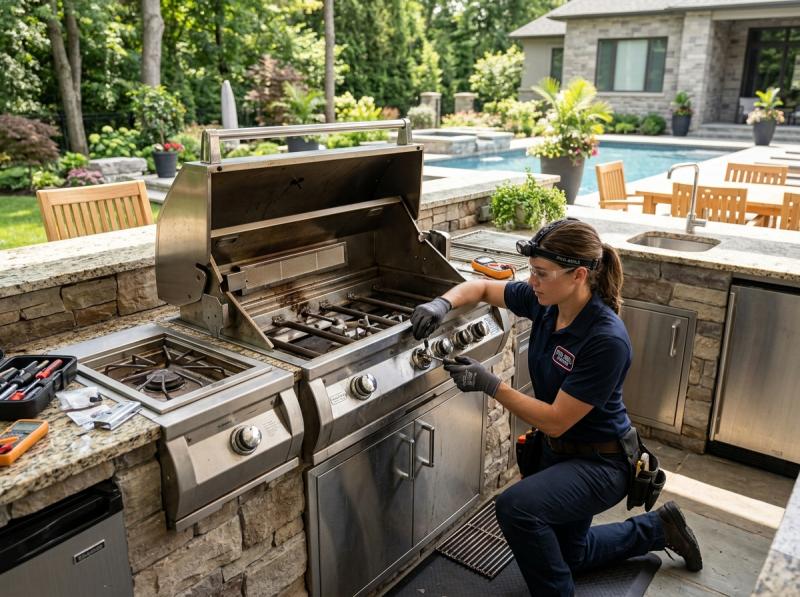
Real, unedited photos of our diagnostic and mechanical replacement visits:
How we ensure absolute accuracy and safety during every service dispatch:
Call our local dispatch desk directly to secure a same-day technician visit.
Speak With A Manitowoc Appliance Specialist Now| Metric | Standard Parameters |
|---|---|
| Average Time | 45 to 90 minutes per service session. |
| Repair Cost Range | Commercial diagnostics and repair typically range from $220 to $650 depending on components, sealed system brazing, and emergency scheduling, with upfront flat-rate quotes and waived trip fees upon approved repair. |
| Repair vs Replace | Replacing commercial-grade Manitowoc equipment costs thousands to tens of thousands of dollars. Professional OEM repair restores immediate operational uptime and maintains strict health-code compliance at a fraction of replacement costs. |
| Warranty Period | All commercial-grade factory OEM parts and master technician labor include our complete warranty coverage for ongoing kitchen reliability. |
Our service mechanics follow a strict engineering diagnostic flow during every service visit. We begin by verifying ground loops, analyzing live voltage drops at control relays, and testing active sensors. If the control board is unresponsive, we measure the incoming AC voltage at the main power block, checking for open circuit connections or blown secondary fuses.
For heating components, we test continuity and resistance values of the element loops. A normal element typically reads between 10 to 30 ohms; a reading of zero indicates a dead short, whereas an infinite reading signifies an open circuit filament. In refrigeration loops, we analyze the thermodynamics of the coils by measuring high and low pressure bounds, checking for refrigerant restriction or low gas charges that choke cooling performance.
Lastly, we analyze error codes stored in the digital microprocessor memory. Every modern appliance retains a history of operational fault codes that guide our repair steps. By running diagnostic software sweeps, we can cycle through solenoids, pumps, and motors individually, testing their mechanical movement and power consumption under actual load conditions.
Furthermore, during our diagnostic protocol, we inspect all mechanical assemblies including fans, door hinges, and belt tensioners for physical wear. If a water-bearing appliance is being serviced, we conduct water hardness checks and verify inlet valve flow rates to ensure optimal supply pressure. Every component is measured against its original manufacturer specifications to identify borderline components before they result in a complete system failure.
A worn or malfunctioning appliance draws significantly more electricity than a fine-tuned unit. For example, dirty condenser coils on a refrigerator force the compressor to work up to 40% harder to dissipate heat, driving up your monthly utility bill and accelerating compressor bearing wear. By cleaning the coils and adjusting internal damper control pathways, we restore the unit to its original energy efficiency rating.
Similarly, a washing machine with a clogged drain pump or worn suspension rods draws excess amperage during spin cycles to compensate for structural imbalance. This extra electrical load heats up the motor windings, wearing down the insulation layers and leading to a premature motor burnout. Our preventative adjustments ensure that your appliances operate in their optimal green efficiency zone.
Beyond the compressor and motor windings, mechanical blockages inside fans or clogged ventilation ducts restrict normal airflow paths, forcing cooling or heating cycles to extend longer than necessary. This increased cycle time increases energy draw on household circuits and heats up the internal operating control relays. By cleaning vents, clearing clogged impellers, and replacing failing damper controls, we optimize your appliance operation back to its original factory efficiency specifications.
Attempting to repair modern home appliances without professional training presents serious risks. Large kitchen and laundry systems operate on high-voltage lines (typically 120V to 240V AC) that can deliver lethal electric shocks. Additionally, appliances that utilize gas lines require precise combustion and pressure calibrations; a minor leak or loose fitting can result in dangerous gas accumulation and fire hazards.
Furthermore, DIY attempts often void existing manufacturer warranties. If a non-certified individual replaces a control board or cuts into sealed refrigerant lines, manufacturers will refuse to cover any subsequent failures. Our licensed, background-checked, and insured technicians protect your warranty status by installing factory-authorized OEM parts and following approved engineering procedures.
In addition to safety hazards, DIY attempts often fail to resolve the root cause of the failure. An inexperienced homeowner might replace a control board when the actual failure is a shorted wire harness or a faulty sensor bi-metal, leading to wasted expenses and unresolved operational failures. Our certified mechanics utilize advanced electrical diagnostics to isolate the exact failing element, saving you time and diagnostic costs.
Commercial appliances are designed for near-constant operation, utilizing heavy-duty components like commercial-grade motors, high-volume compressors, and heavy gauge stainless steel frames. Residential appliances, on the other hand, are engineered for lighter daily use. When a residential unit is subjected to heavy duty cycles, its internal relays and thermal limits wear down rapidly, requiring frequent diagnostic resets.
Our technicians are factory-trained in both commercial and residential appliance platforms. We analyze duty cycles, check airflow restrictions, and ensure that commercial ice machines or laundry units receive high-capacity parts replacements that can withstand constant physical demand, matching local commercial safety regulations.
Commercial kitchens should schedule quarterly preventative maintenance to chemically clean condenser coils, descale ice machines, and verify NSF temperature holding.
Commercial refrigeration systems involve high-voltage three-phase power, flammable R290 refrigerants, and high-pressure gas lines. Only licensed commercial technicians should perform repairs.
Detailed walkthroughs of repair dispatches performed in your local neighborhood:
We provide 24/7 priority emergency dispatch for commercial food service venues across Alpharetta and North Fulton, with typical arrival times of 45–90 minutes.
Yes, our service vehicles are stocked with heavy-duty commercial OEM valves, fan motors, sensors, and controllers to complete most repairs on the initial visit.
Yes, all our technicians hold EPA Universal and R290 hydrocarbon certifications for compliant commercial refrigeration work.
Call our local helpline to speak directly with an expert technician.
Call Our Help Desk: (770) 796-7742Select from our authorized brand specialists, troubleshooting guides, error codes, and nearby service suburbs.
