
When a bustling restaurant kitchen, high-volume prep line, or gourmet deli along the busy culinary corridors of Alpharetta, GA experiences sudden refrigeration failure, kitchen operations grind to an immediate standstill. Foodservice operators situated along the competitive Haynes Bridge Road commercial strip depend heavily on heavy-duty Continental commercial undercounter refrigerators and worktop cold bases to maintain strict health code standards and hold fresh mise en place at safe temperatures. When core electro-mechanical components within the condensing unit begin to overheat, executive chefs and restaurant owners face rapid food spoilage, compromised food safety inspections, and crippling line shutdowns. Our master technicians deliver specialized commercial appliance repair across North Fulton County, pairing True-RMS electronic multimeter diagnostics, genuine OEM Continental replacement parts, and emergency same-day appliance repair dispatch. Call our commercial priority dispatch desk immediately at (770) 796-7742 to secure an emergency service window.
Quick Answer: Resolving Continental Commercial Undercounter Refrigerator Warm Condensing Unit Failures
To resolve a warm condensing unit on a Continental commercial undercounter refrigerator: Certified commercial technicians immediately isolate electrical power, inspect the condenser coil face for grease-bound lint, and evaluate electrical operating telemetry across the condensing deck. Diagnostic benchmarks require confirming 115V AC supply to the ECM condenser fan motor with an active current draw of approximately 0.35A. Technicians then verify that the potential start relay contacts (terminals 1 and 2) remain normally closed with under 0.5Ω of resistance at rest, test the 135–155μF 330VAC start capacitor for capacitance drift or internal dielectric degradation, and check the 10kΩ R290 discharge line NTC temperature sensor against standard resistance-temperature curves (10.0kΩ at 77°F). Failed electrical components or seized fan motors are replaced with authentic factory-certified OEM assemblies to restore critical heat rejection and prevent catastrophic compressor thermal lockout. For immediate certified service in Alpharetta, GA, call (770) 796-7742.
Listen to 60-Second Diagnostic Summary for Continental Commercial Undercounter Units
Narrated by Jason J. (Master Certified Commercial Refrigeration Specialist)
Check Same-Day Commercial Tech Availability in Your Area
Enter your restaurant or facility ZIP code to confirm immediate priority emergency dispatch availability across Alpharetta and North Fulton County:
Verified Commercial Field Case Study
Emergency Continental Undercounter Refrigerator Restoration on Haynes Bridge Road
Location: Haynes Bridge Rd Commercial Strip, Alpharetta, GA • Certified Master Field Tech Jason J. • Response Time: 48 Minutes
Initial Emergency Call: The executive chef at a bustling casual fine-dining restaurant along the Haynes Bridge Road commercial strip contacted our emergency line at 11:15 AM before the lunch rush. Their two-door Continental SW48 commercial undercounter refrigerator was blowing ambient air, with internal cabinet temperatures climbing past 52°F. The compressor housing and lower condensing deck were blisteringly hot to the touch, and the unit was clicking periodically every 90 seconds without dropping cabinet temperature.
On-Site Field Telemetry: Master Technician Jason J. arrived on-site in 48 minutes with a fully stocked commercial mobile service rig. Initial True-RMS electrical testing revealed 118.4V AC line voltage delivered to the condensing section. However, the electronically commutated ECM condenser fan motor was pulling only 0.04A instead of its rated 0.35A operating draw due to internal stator circuit board failure, preventing airflow across the condenser coil. The compressor was attempting to start but immediately tripping its internal thermal protector. Further testing revealed the potential start relay contacts (terminals 1 and 2) had suffered severe contact pitting, measuring an unstable 34.2Ω instead of less than 0.5Ω normally closed continuity. The 135–155μF start capacitor had drifted down to 72μF with electrolyte leakage, and the R290 discharge line NTC temperature sensor probe measured 1.8kΩ at an extreme casing temperature of 168°F.
Precision Resolution: The technician isolated power, removed the compromised ECM fan assembly, and installed a brand-new factory-certified Continental OEM ECM condenser fan motor (115V, 0.35A). The pitted potential start relay was replaced with a new OEM potential relay, and a genuine 135–155μF 330VAC start capacitor with a 15kΩ bleed resistor was wired into the starting circuit. The condensing coil fins were degreased using non-rinse foaming condenser cleaner. Once energized, the ECM fan motor drew exactly 0.34A, head pressures stabilized, the potential relay cleanly dropped out the start winding within 0.6 seconds of startup, and the discharge line sensor normalized to 10kΩ at ambient equilibrium. The cabinet reached its 36°F setpoint within 42 minutes, saving over $3,500 in perishable seafood and meat proteins. Covered by our 90-day comprehensive parts and labor warranty.
Table of Contents: In-Depth Diagnostic & Restoration Guide
- Commercial Kitchen Thermodynamics & Undercounter Refrigeration Operations along Haynes Bridge Road
- Recognizing Equipment Failure Symptoms & Warning Signals
- Visual Before & After Restoration Showcase
- Root Causes of Continental Warm Condensing Unit Failures
- Safe Step-by-Step Diagnostic & Kitchen Triage Protocol
- When to Stop DIY & Call Certified Master Commercial Technicians
- Commercial Refrigeration Repair vs. Replace Decision Matrix
- Interactive Instant Commercial Repair Cost Calculator
- Key Factors Influencing Commercial Repair Costs
- Professional Multimeter Telemetry & Ohms Testing Standards
- Essential Continental OEM Component Breakdown
- Commercial Foodservice Preventative Maintenance Protocol
- Commercial Kitchen Electrical & Hydrocarbon Safety Standards
- Frequently Asked Questions (Interactive Accordion)
- Related Commercial Foodservice Services & North Fulton Coverage
- Key Operational Takeaways for Commercial Kitchen Operators
- Emergency Commercial Dispatch & Schedule Priority Service
Commercial Kitchen Thermodynamics & Undercounter Refrigeration Operations along Haynes Bridge Road
Commercial foodservice establishments operate in intense, punishing microclimates where culinary velocity and thermal energy converge. Along the vibrant Haynes Bridge Road corridor in Alpharetta, commercial cooklines generate extreme ambient heat loads from nearby charbroilers, salamanders, deep fryers, and high-BTU gas ranges. Operating nestled beneath heavy prep counters or right beside active cooking stations, undercounter reach-in refrigerators face severe thermodynamic hurdles. Unlike standard residential refrigerators that reject heat into mild 70°F living rooms, commercial undercounter refrigeration units must continuously reject intense latent and sensible heat loads into ambient environments that regularly exceed 95°F to 105°F during peak lunch and dinner rushes. When your commercial equipment struggles, securing rapid commercial refrigerator repair is essential to safeguard your valuable inventory.
Continental Refrigeration has engineered their commercial undercounter and worktop refrigeration line—including popular models such as the SW27, SW36, SW48, SW60, and SW72 series—with compact, high-efficiency refrigeration chassis. These self-contained condensing packages are engineered to deliver precise temperature holding within a remarkably shallow architectural envelope. However, this compact engineering places the hermetic compressor, condenser coil, ECM fan assembly, electrical starting gear, and electronic control boards in close proximity within a confined lower mechanical deck. Any restriction in thermal heat dissipation triggers an immediate, cascading rise in operating temperatures and system head pressures.
When a condensing unit becomes abnormally warm, the fundamental refrigeration cycle is severely disrupted. High-pressure vapor leaving the compressor cannot adequately condense into high-pressure subcooled liquid before reaching the expansion device. As a result, flash gas enters the evaporator, sensible cooling capacity drops precipitously, and the compressor must labor against dangerously elevated compression ratios. Operators who notice heat radiating from the lower front louver or side exhaust panels must recognize that the unit is signaling critical mechanical distress. Immediate technical intervention from certified specialists who understand modern EPA R290 hydrocarbon systems prevents catastrophic compressor winding burnout, bearing seizure, or costly food safety violations.
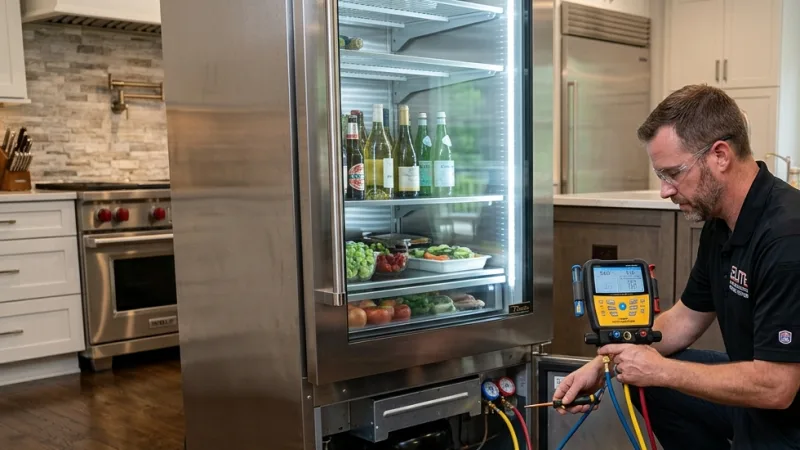
Recognizing Equipment Failure Symptoms & Warning Signals
Commercial refrigeration machinery rarely experiences catastrophic failure without exhibiting definitive operational symptoms beforehand. Recognizing early warning signals allows head chefs, culinary managers, and line cooks to take proactive action before experiencing total cooling loss during a packed dinner service. If your venue requires prompt support, our technicians provide emergency appliance repair throughout the North Fulton region. Below are the key warning signs of an overheating Continental condensing unit:
- Excessive Radiant Heat from Lower Mechanical Base: While commercial condensing units normally generate warmth during active heat rejection, the lower kickplate or louvered access panel should never feel scorching to the touch. If the steel housing feels hot enough to cause discomfort or if radiant heat is actively warming adjacent lowboy drawers or cutting board surfaces, heat rejection has completely stalled.
- Audible Compressor Clicking & Short-Cycling: When condensing temperatures escalate beyond designed limits, the compressor’s internal or external thermal overload protector trips on excessive temperature and amp draw. The unit produces a distinct mechanical click, hums for 3 to 7 seconds in a locked-rotor state, clicks again as the overload opens, and goes silent for several minutes until the bimetal strip cools down.
- Stalled or Sluggish ECM Condenser Fan Motor: Modern Continental undercounter units utilize electronically commutated (ECM) fan motors that should spin smoothly with constant velocity whenever the compressor is energized. If the fan blade is motionless, twitching, vibrating without spinning, or turning sluggishly while the compressor hums, the ECM motor’s integrated inverter board or stator windings have failed.
- Persistent Cabinet Temperature Creep Above 40°F: In a healthy commercial undercounter unit, cabinet temperatures remain securely between 34°F and 38°F. If digital temperature readouts slowly drift upward into the 44°F to 54°F danger zone despite continuous compressor operation, the refrigeration circuit is failing to achieve sufficient liquid refrigerant subcooling.
- High-Temperature Alarms (HA / HI / E1 / E2): The onboard electronic microprocessor controller (typically Carel or Dixell platforms) continuously monitors air temperature and evaporator coil sensors. Prolonged deviations above programmed setpoint parameters will trigger an audible beeping alarm and flash “HA” (High Temperature Alarm) or diagnostic sensor error codes across the digital display.
- Burnt Electrical Odors Near the Condensing Deck: Degraded start capacitors leaking dielectric fluid or failing potential relay contacts generate an acrid, sharp chemical or ozone burning odor near the compressor electrical junction box that kitchen staff can easily identify.
Visual Before & After Restoration Showcase
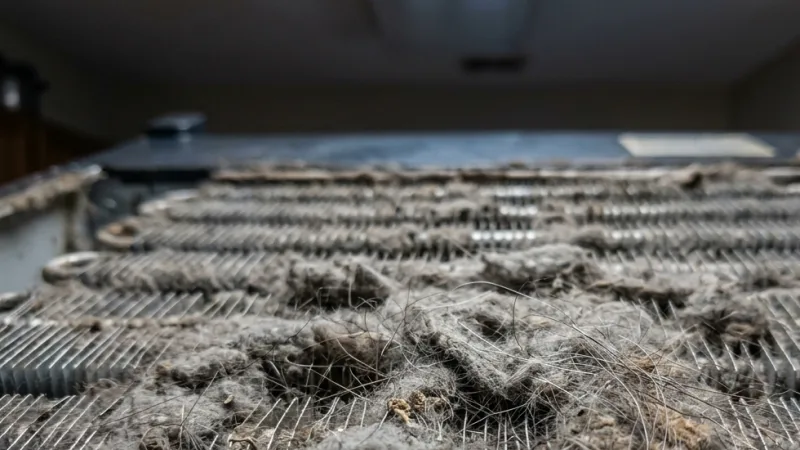
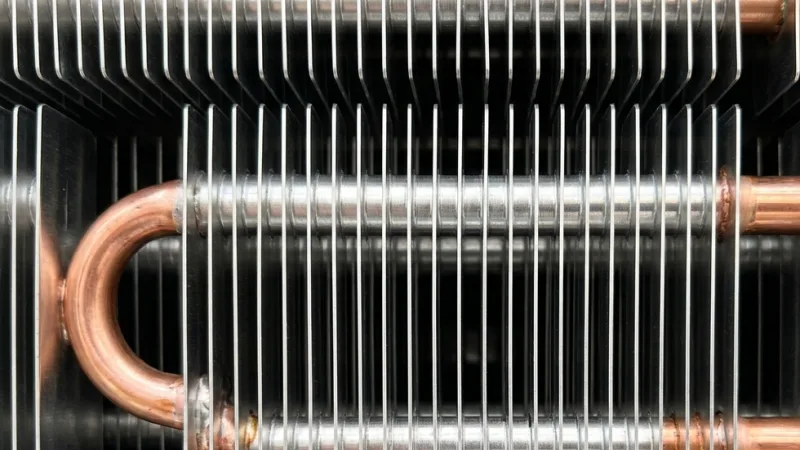
Over years of rigorous kitchen duty, commercial undercounter refrigeration condensing units collect airborne aerosolized cooking oils, flour dust, and cardboard lint, forming an insulating blanket over the delicate aluminum fins. Combined with constant heat cycles, electrical start components degrade rapidly. The visual comparison below illustrates the dramatic difference between an overheated, failing condensing deck and our factory-restored OEM assembly:
Root Causes of Continental Warm Condensing Unit Failures
To implement an enduring mechanical repair rather than a temporary patch, commercial refrigeration specialists must diagnose the exact physical and electrical failure mechanisms at play. On Continental commercial undercounter reach-ins, warm condensing unit complaints trace back to several interrelated component faults:
Electronic Commutation Failure in ECM Condenser Fan Motors
Unlike legacy shaded-pole motors that consume massive wattage and produce excess heat, Continental’s modern undercounter units feature high-efficiency electronically commutated (ECM) fan motors. Operating on nominal 115V AC line power, these motors utilize an internal microprocessor inverter board that rectifies AC input voltage into modulated DC power to drive a brushless permanent-magnet rotor. The normal operating current draw for these precision motors is approximately 0.35A (ranging from 0.30A to 0.40A depending on static backpressure). Under prolonged exposure to high ambient kitchen heat and airborne grease aerosols, the internal electrolytic filter capacitors on the motor’s inverter board dry out, or the bridge rectifier diodes suffer thermal avalanche breakdown. When the ECM driver fails, the fan stops spinning even though line voltage is fully present, causing condensing temperatures to skyrocket within minutes.
Potential Start Relay Contact Pitting & Pick-Up Failure
High starting torque (HST) commercial compressors, particularly those charged with modern R290 propane hydrocarbon refrigerant, require substantial torque to overcome balanced or residual system pressures during startup. Continental pairs these compressors with potential start relays. In a properly functioning relay, contacts between pins 1 and 2 are normally closed at rest, connecting the high-capacity start capacitor in series with the compressor’s start winding. As the motor accelerates to approximately 75% to 80% of rated speed, counter-electromotive force (back-EMF) induced across the start winding energizes the relay coil between pins 2 and 5 (operating with pick-up ratings typically between 170V and 215V), pulling the contacts open to disconnect the start capacitor. Over hundreds of daily cycles, severe electrical arcing occurs across contacts 1 and 2, causing carbon pitting or contact welding. Pitted contacts introduce high series resistance (measured above 5Ω to infinite open circuit), preventing sufficient starting torque and causing the compressor to stall and overheat.
Start Capacitor Dielectric Degradation (135–155μF Rating Drift)
The starting torque required by the hermetic compressor is directly governed by the phase angle shift produced by the start capacitor. Continental specifies high-grade electrolytic start capacitors rated at 135–155μF at 330VAC, equipped with a 15kΩ to 18kΩ 2-watt bleed resistor across the terminals to safely dissipate residual voltage between cycles. Undercounter compressor compartments experience intense ambient heat trapped beneath prep tables, which accelerates electrolyte evaporation within the capacitor housing. As the dielectric dries out, the capacitance drifts downward—frequently dropping below 90μF—or develops a short circuit. An under-capacitance start circuit fails to create the phase displacement needed to break the rotor away from static friction, locking the motor in a high-amperage stalled state until the thermal overload trips.
R290 Discharge Line NTC Temperature Probe Decalibration
In contemporary hydrocarbon R290 refrigeration systems, discharge line temperature management is critical to equipment longevity and safety. Continental undercounter refrigerators incorporate a precision 10kΩ negative temperature coefficient (NTC) thermistor probe clamped securely to the compressor discharge tube. At standard room temperature (77°F / 25°C), this sensor must measure exactly 10,000Ω (10.0kΩ). As discharge line temperature rises under normal compression to 140°F (60°C), sensor resistance should predictably drop to approximately 2.49kΩ. If grease moisture ingresses past the sensor’s heat-shrink casing or internal thermal cycling causes resistance drift, the microprocessor controller receives inaccurate temperature feedback. A sensor reading falsely high can force emergency compressor throttling or short-cycling, while a sensor reading falsely low prevents the system from triggering protective fan override routines when the condensing unit is truly overheating.
Airflow Starvation & Micro-Channel Condenser Grease Fouling
Undercounter refrigerators have limited intake and exhaust clearance, drawing air across a lower front or side louver. In commercial kitchens along Haynes Bridge Road, ambient air contains vaporized cooking fats from saute pans and fryers. As the condenser fan draws this air through the coil, microscopic fat droplets adhere to the aluminum fins, acting as a sticky adhesive for airborne flour dust, lint, and floor debris. Over weeks of operation, a felt-like mat completely chokes the condenser coil. Thermal conductivity drops to near zero, airflow drops by up to 80%, head pressure spikes above 320 psig, and the entire condensing unit deck becomes intensely hot.
Safe Step-by-Step Diagnostic & Kitchen Triage Protocol
When kitchen staff encounter an undercounter refrigerator that is running warm or displaying alarm codes, performing a structured, safe non-invasive triage helps determine whether the issue stems from external airflow blockage or an internal electro-mechanical fault. Kitchen personnel should follow this professional triage procedure:
- Verify External Airflow Clearances: Ensure the front kickplate or side intake louvers are not obstructed by kitchen floor mats, bus tubs, ingredient bags, or mop buckets. Commercial undercounter refrigerators require at least 2 to 3 inches of unobstructed clearance along all intake and exhaust perimeter openings to maintain sufficient CFM airflow.
- Inspect the Front Condenser Filter or Coil Face: Remove the front snap-off or hinged access panel and inspect the condenser coil face using a flashlight. If a thick, grey felt layer of lint and grease is visible across the aluminum fin surfaces, airflow is critically starved. If a removable mesh pre-filter is present, slide it out and wash it thoroughly in warm water with grease-cutting detergent.
- Listen to the Mechanical Sound Profile: Pay close attention to sounds emanating from the lower compartment:
- Continuous soft hum with rushing air: The ECM condenser fan is running normally; warming may indicate a sealed system or thermistor fault.
- Faint electrical buzz or dead silence followed by a sharp click: The compressor is attempting to start but tripping its thermal overload protector due to a failed start relay, defective capacitor, or seized rotor.
- Compressor runs continuously but no airflow is felt: The ECM fan motor has failed electronically or seized mechanically.
- Check Door Gasket Seal Integrity: Perform the dollar-bill test along the perimeter of both doors or drawers. Insert a slip of paper between the magnetic vinyl gasket and the stainless steel face frame, close the door, and pull gently. If the paper slips out with zero resistance, warm, humid kitchen air is constantly infiltrating the cabinet, overwhelming the refrigeration system.
- Verify Power Supply Stability: Confirm the unit is plugged directly into a dedicated 115V AC 15A or 20A commercial outlet. Undercounter units must never be operated on extension cords or power strips, which create significant voltage drop under inductive motor startup loads.
When to Stop DIY & Call Certified Master Commercial Technicians
While checking air filters and door gaskets is routine maintenance, troubleshooting internal condensing unit components crosses into complex electrical and refrigerant safety hazards. Restaurant operators must halt in-house troubleshooting and summon licensed master refrigeration technicians under the following conditions:
- R290 Flammable Hydrocarbon Refrigerant Containment: Modern Continental commercial refrigerators utilize high-purity R290 propane refrigerant (ASHRAE A3 flammable rating). Only EPA Section 608 Universal certified technicians equipped with spark-proof recovery machines, intrinsically safe electronic leak detectors, and nitrogen purging rigs are legally and safely authorized to service these sealed systems. Attempting amateur brazing or piercing R290 lines can trigger severe flash fires or explosive combustion.
- High-Voltage Capacitor Shock Hazards: The 330VAC electrolytic start capacitor stores dangerous electrical energy even after the refrigerator is completely unplugged. Touching capacitor terminals without proper bleed-down procedures can deliver severe electrical shocks or cause arc flashes that destroy nearby digital controllers.
- Compressor Terminal Dielectric Breakdown: If moisture, corrosion, or arcing has charred the hermetic compressor terminal pins under the plastic terminal cover, attempting to force the compressor to run can cause a terminal blowout, instantly venting pressurized R290 gas and oil into the kitchen.
- Electronic Microprocessor Configuration Errors: Modifying parameters in the Carel or Dixell digital controllers without factory programming keys can alter critical defrost intervals, minimum compressor run times, and anti-short-cycle delays, resulting in rapid mechanical failure.
For comprehensive peace of mind across your entire kitchen equipment line, our team also services specialty cooking equipment like commercial range and oven repair as well as luxury and high-end units such as Sub-Zero refrigeration systems.
Commercial Refrigeration Repair vs. Replace Decision Matrix
When managing a restaurant capital budget along Haynes Bridge Road, general managers frequently grapple with whether to invest in repairing an existing Continental undercounter unit or purchase a brand-new commercial reach-in. The commercial refrigeration industry follows the 50% Rule: if the total cost of certified repair approaches or exceeds 50% of the replacement cost of a comparable new NSF-listed unit, and the current equipment has exceeded 65% of its expected operational service life (typically 8 to 12 years in commercial kitchens), replacement is financially prudent. The matrix below guides restaurant operators through this critical financial calculation:
| Assessment Factor | Favor Professional Repair | Consider Unit Replacement |
|---|---|---|
| Equipment Age Profile | Under 7 years of active commercial foodservice service | Over 10 to 12 years with extensive chassis rust or wear |
| Nature of Component Failure | External condensing components (ECM fan, start relay, capacitor, thermistor) | Internal compressor mechanical lockup combined with severe evaporator coil corrosion |
| Total Estimated Repair Cost | Less than 35%–45% of new replacement price ($250–$650) | Exceeds 50%–60% of new unit replacement cost ($1,800+) |
| Cabinet & Structural Condition | Stainless steel interior/exterior pristine; magnetic door gaskets pliable | Severe polyurethane foam waterlogging, door hinge fatigue, delaminating liner |
| Refrigerant Type & Energy Efficiency | Modern EPA SNAP-compliant R290 hydrocarbon system | Obsolete, phase-out R134a or R404A refrigerant with prohibitive gas recharge costs |
| Kitchen Downtime Impact | Same-day on-site OEM restoration completed within 1 to 2 hours | 3 to 14 days lead time awaiting delivery and freight rigging of replacement equipment |
Interactive Instant Commercial Repair Cost Calculator
Estimate your anticipated commercial refrigeration restoration investment using our dynamic calculator widget below. Final investment figures depend upon physical component accessibility, OEM parts specifications, and emergency response parameters:
Key Factors Influencing Commercial Repair Costs
Commercial refrigeration repair investments vary according to clear technical variables. Understanding these cost drivers allows kitchen operators to make educated decisions regarding their preventative maintenance and repair budgets:
- Authentic Continental OEM Components vs. Generic Aftermarket Parts: Continental engineers their condensing decks with specific torque curves, microfarad ratings, and electronic commutation protocols. Utilizing authentic factory-certified parts preserves manufacturer warranty protection, UL and NSF sanitary listings, and operational longevity. While generic universal relays or shaded-pole motors may carry slightly lower initial price tags, their high electrical power draw and mismatched drop-out voltages frequently cause premature compressor failure within 90 days.
- R290 Hydrocarbon Sealed System Equipment & Protocol: When repairs involve the hermetic refrigeration circuit—such as installing a new filter drier, clearing capillary restrictions, or replacing a burnt hermetic compressor—the procedure requires specialized spark-free vacuum pumps, nitrogen purging manifolds, and digital scales accurate to 0.1 gram. Hydrocarbon service labor reflects these heightened technician safety certifications.
- Physical Accessibility & Undercounter Line Integration: Many undercounter reach-in units are custom-fitted into tightly fabricated stainless steel cabinetry or mounted beneath heavy marble or composite service counters. Disconnecting plumbing, removing line trim, and sliding the refrigeration chassis out for complete 360-degree component access requires additional technical labor.
- Emergency & Off-Hours Service Windows: Commercial restaurants operate late into the evening and throughout weekends. Priority emergency dispatch during peak evening dinner rushes or holiday service requires specialized on-call field logistics to guarantee rapid 45-to-90-minute arrival times.
Professional Multimeter Telemetry & Ohms Testing Standards
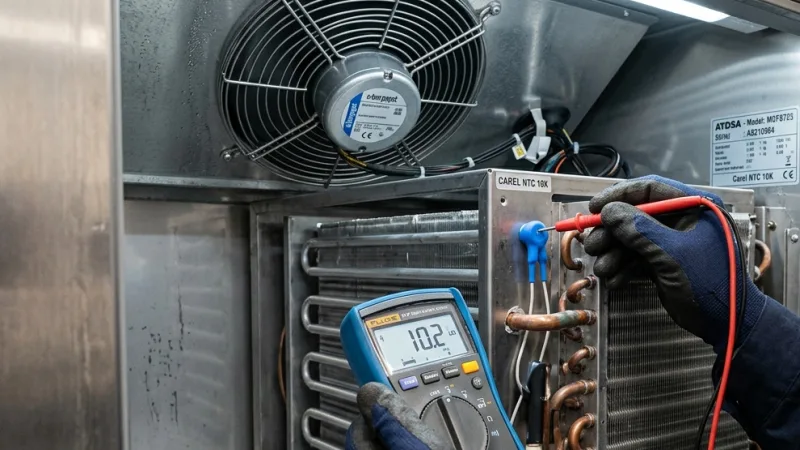
Certified master commercial technicians never guess when assessing refrigeration electrical circuits. Using calibrated True-RMS digital multimeters and calibrated temperature probes, our field technicians measure voltage, current draw, coil resistance, and capacitance against exact factory engineering specifications. Use our interactive telemetry search filter below to look up component benchmarks:
| Component / Subsystem | Test Terminals / Pins | Normal Telemetry Benchmark | Failure Threshold & Indication |
|---|---|---|---|
| ECM Condenser Fan Motor Line Input | L to N Motor Harness | 115V AC ±10% (103.5V–126.5V) | <100V AC (Supply sag or control board relay open) |
| ECM Condenser Fan Motor Amperage | Line Lead (Inductive Clamp) | 0.35A Draw (Nominal 0.30A–0.40A) | 0.00A (Open circuit/dead board) or >0.65A (Rotor seizure) |
| Potential Start Relay Contacts | Terminals 1 to 2 | Normally Closed: 0.0Ω – 0.5Ω | >1.5Ω (Pitted/arced contacts) or ∞Ω (Open circuit) |
| Potential Start Relay Coil | Terminals 2 to 5 | Coil Resistance: 4,500Ω – 9,500Ω | ∞Ω (Burnt coil winding) or <500Ω (Internal short) |
| Electrolytic Start Capacitor | Terminal Posts (Bleed Resistor Removed) | 135μF – 155μF @ 330VAC (±10%) | <120μF (Dielectric drift) or short circuit (0.0Ω) |
| Start Capacitor Bleed Resistor | Across Resistor Leads | 15kΩ – 18kΩ (15,000Ω–18,000Ω) 2W | ∞Ω (Open resistor leaves capacitor charged) |
| R290 Discharge Line Temp Probe | Thermistor Leads @ 77°F (25°C) | 10.0kΩ ±2% (9,800Ω–10,200Ω) | Resistance drift (>10% variance from NTC curve) |
| R290 Discharge Line Temp Probe (Cold) | Thermistor Leads @ 32°F (0°C) | 32.6kΩ ±3% (31,600Ω–33,500Ω) | ∞Ω (Open thermistor wire) or <1,000Ω (Short circuit) |
| Compressor Main (Run) Winding | Common (C) to Run (R) Terminals | 0.8Ω – 2.2Ω (Ambient Dependent) | ∞Ω (Burnt/open winding) or 0.0Ω (Dead short) |
| Compressor Start (Auxiliary) Winding | Common (C) to Start (S) Terminals | 2.5Ω – 6.8Ω (Higher than Run Winding) | ∞Ω (Open start winding prevents motor rotation) |
Essential Continental OEM Component Breakdown
To guarantee factory reliability and safeguard commercial foodservice investments, our mobile service units carry complete inventories of genuine OEM replacement assemblies designed specifically for Continental commercial refrigeration equipment:
- Continental OEM ECM Condenser Fan Motor (Part # 50238 / 50238-1): Factory-programmed brushless electronically commutated motor engineered to operate at 115V AC, drawing exactly 0.35A. Features sealed ball bearings rated for high ambient temperatures, integrated moisture-sealed inverter circuitry, and reverse airflow aerodynamic impellers optimized for Continental’s lowboy chassis.
- Commercial Potential Start Relay (Continental Part # 50135 / OEM Equivalent): Heavy-duty potential relay featuring silver cadmium oxide contacts (pins 1 and 2 normally closed, <0.5Ω) and an encapsulated electromagnetic coil (pins 2 and 5) engineered for precise pick-up and drop-out voltage calibration across high-torque hydrocarbon compressors.
- Hermetic Start Capacitor (135–155μF 330VAC with Bleed Resistor): High-dielectric electrolytic start capacitor designed to withstand prolonged 140°F mechanical base environments. Shipped with factory-welded 15kΩ 2W bleed resistor to guarantee rapid inter-cycle discharge.
- R290 Discharge Line NTC Temperature Probe (10kΩ @ 25°C): Sealed stainless steel cylindrical thermistor probe equipped with high-temperature silicone lead wiring. Provides real-time discharge pipe temperature feedback to the microprocessor controller to protect against thermal runaway.
- Molecular Sieve Liquid Line Filter Drier (XH-9 Desiccant for R290): Solid-core filter drier specifically formulated with synthetic zeolite desiccant compatible with R290 hydrocarbon refrigerant and POE polyolester lubricating oils, capturing moisture down to 10 PPM.
Commercial Foodservice Preventative Maintenance Protocol
Preventative maintenance is the primary safeguard separating profitable, smooth kitchen operations from chaotic equipment downtime. Implementing a rigorous preventative maintenance schedule for your Continental undercounter refrigerators along Haynes Bridge Road ensures maximum operating efficiency and equipment longevity:
- Monthly Condenser Coil Degreasing & Vacuuming: Utilize an industrial HEPA shop vacuum fitted with a soft horsehair brush to pull dry flour and lint from the coil face. For grease-bound coils near frying lines, apply an alkaline non-acid coil cleaner, allow it to penetrate grease deposits for 8 minutes, and gently wipe or flush with clean water without bending delicate aluminum fins.
- Bi-Weekly Magnetic Gasket Cleaning & Alignment: Wipe down magnetic vinyl door gaskets with mild warm soapy water. Never use harsh bleach or chlorinated sanitizers, which strip plasticizers from the vinyl and cause brittle cracking. Inspect the bottom corners for tears where heavy foot traffic or dropped utensils contact the seal.
- Quarterly Electrical Amperage & Starting Gear Audit: Have a certified technician clamp an inductive ammeter across the main compressor feed to record operating run amps against the data plate rating. Test capacitor microfarad values and inspect relay contact faces for initial signs of carbon pitting.
- Semi-Annual Condensate Evaporator Pan Inspection: Clean the electric or hot-gas condensate loop tray beneath the condensing deck. Clear slime, bacterial sludge, and standing grease to prevent microbial odors, water overflows onto kitchen floors, and corrosion of the hot-gas discharge loop tubing.
Our dedicated commercial maintenance programs also extend to critical prep equipment such as commercial ice machine repair, walk-in vaults via our commercial freezer repair team, and dishroom sanitation through commercial dishwasher repair.
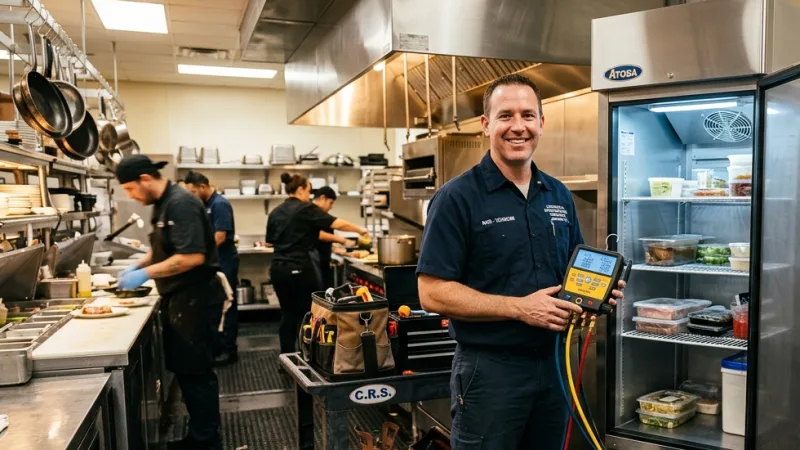
Commercial Kitchen Electrical & Hydrocarbon Safety Standards
Service work on commercial refrigeration machinery involves powerful electrical potentials, moving mechanical assemblies, and flammable hydrocarbon refrigerants. Adherence to strict regulatory safety standards protects personnel, property, and food supply integrity:
- OSHA Lockout / Tagout (LOTO) Compliance (29 CFR 1910.147): Before opening access panels or servicing compressor electrical enclosures, technicians must de-energize the dedicated branch circuit breaker, apply a lockout hasp, and attach a warning tag. Zero energy state must be confirmed using a calibrated multimeter prior to touching electrical terminals.
- EPA Section 608 Universal & UL 60335-2-89 Hydrocarbon Mandates: Commercial systems charged with R290 propane require spark-free work environments. All service tools—including recovery units, electronic scales, vacuum pumps, and leak detectors—must be ATEX certified intrinsically safe. Open flames are strictly prohibited; sealed tubing connections must be joined using mechanical flare fittings or certified flame-free press crimp rings (such as ZoomLock or Lokring technology).
- National Electrical Code (NEC) Article 440 Branch Circuit Protection: Commercial undercounter units must be supplied by dedicated branch circuits with correctly sized dual-element time-delay fuses or HACR-rated circuit breakers. Undersized branch wiring causes excessive voltage drops under locked-rotor conditions, degrading start relay coils and burning out compressor windings.
- FDA Food Code & Georgia DPH Chapter 511-6-1 Compliance: Commercial cold-holding units must consistently hold potentially hazardous foods at or below 41°F (5°C). When a condensing unit runs warm and cabinet temperatures exceed 41°F for longer than 4 hours, all held temperature-controlled for safety (TCS) foods must be discarded according to health code regulations.
Frequently Asked Questions Regarding Continental Undercounter Refrigerator Repair
Explore expert answers to common diagnostic, maintenance, and operational questions regarding Continental commercial undercounter refrigeration equipment:
Why is my Continental commercial undercounter refrigerator condensing unit running warm?
A Continental condensing unit runs warm when the system cannot reject heat absorbed from the interior cabinet into ambient air. The most common causes include a failing or seized ECM condenser fan motor (normal draw: 0.35A at 115V), a condenser coil choked with airborne kitchen grease and lint, a degraded start capacitor (135–155μF rating drift), or pitted potential start relay contacts (terminals 1 and 2 failing to hold <0.5Ω continuity), which causes the compressor to labor against excessive head pressures.
What are the exact multimeter readings for a healthy Continental ECM condenser fan motor?
A properly functioning Continental ECM condenser fan motor requires 115V AC nominal power (acceptable range: 103.5V to 126.5V) across its input leads. Under active load, the motor draws between 0.30A and 0.40A (baseline: 0.35A). If line voltage is present but the motor draws 0.00A, the internal electronic commutator board has failed. If current draw exceeds 0.65A without blade rotation, the bearings or rotor are mechanically locked.
How do you test the potential start relay on a Continental undercounter reach-in?
Disconnect all power and isolate the relay wires. Set your digital multimeter to ohms (Ω). Test continuity across contacts 1 and 2; they should measure normally closed at less than 0.5Ω. A reading above 1.5Ω indicates severe carbon pitting and contact arcing. Next, test coil resistance across pins 2 and 5; normal coil resistance measures between 4,500Ω and 9,500Ω. An infinite reading indicates an open, burned coil winding.
What capacitance rating is specified for Continental commercial undercounter units?
Continental typically specifies an electrolytic start capacitor rated at 135μF to 155μF at 330VAC. Technicians test capacitance using a calibrated meter after discharging the unit and unsoldering one leg of the 15kΩ bleed resistor. If capacitance has drifted below 120μF, starting torque is compromised, causing compressor stalling and thermal tripping.
How does the 10kΩ R290 discharge line temperature sensor operate?
The R290 discharge line sensor is a 10kΩ negative temperature coefficient (NTC) thermistor. At 77°F (25°C), it measures exactly 10,000Ω (10kΩ). As line temperatures rise to 140°F (60°C), resistance drops to approximately 2.49kΩ. If the probe suffers moisture ingress or thermal fatigue, it drifts out of calibration, transmitting false readings to the microprocessor controller and preventing proper fan modulation or thermal protection.
Can kitchen staff clean the condenser coil themselves?
Kitchen personnel can safely vacuum light dry dust from the front coil face and clean removable mesh pre-filters using warm water and degreaser. However, deep coil degreasing involving dense baked-on grease between aluminum fins requires professional non-rinse foaming agents and fin combs to prevent bending fins or damaging fragile refrigerant capillaries.
Why does my Continental undercounter refrigerator click every 1 to 2 minutes?
Repeated clicking indicates the hermetic compressor is attempting to start but tripping its thermal overload protector. This occurs when the start capacitor has lost capacitance, the potential start relay contacts are pitted open, line voltage has dropped below 104V, or the compressor has seized due to chronic overheating.
What is the standard response time for commercial emergency service in Alpharetta?
Our dedicated commercial emergency service vans are stationed across North Fulton corridors, including Haynes Bridge Road, Old Milton Parkway, and Windward Parkway. We guarantee priority emergency arrival times between 45 and 90 minutes for active food safety emergencies.
Are replacement parts for Continental refrigerators kept in stock locally?
Yes. Our mobile commercial service fleet stocks genuine factory-certified Continental OEM parts, including 115V ECM fan motors, potential start relays, 135–155μF capacitors, 10kΩ NTC thermistors, digital controllers, and filter driers, enabling first-visit restoration in over 90% of service calls.
How does R290 propane refrigerant affect commercial repair procedures?
R290 is an eco-friendly hydrocarbon refrigerant with an ASHRAE A3 flammability rating. Servicing R290 sealed systems requires EPA Section 608 Universal technicians using spark-proof ATEX tools, positive nitrogen purging, and flame-free press-connect fittings (Lokring/ZoomLock) rather than open oxy-acetylene torches.
Can a failing door gasket cause the condensing unit to overheat?
Yes. A cracked, torn, or hardened magnetic vinyl door gasket allows hot, moisture-laden kitchen air to constantly enter the cabinet. This causes severe evaporator coil frost buildup and forces the compressor to run 100% of the time, dramatically raising condensing unit operating temperatures and causing electrical component fatigue.
What warranty coverage do you provide on commercial refrigeration repairs?
All commercial refrigeration repairs completed by our certified technicians are backed by a comprehensive 90-day parts and labor warranty. If the installed OEM component fails within the warranty window, we repair or replace it at zero additional cost to your business.
What should kitchen staff do immediately if burning odors emanate from the refrigerator?
Immediately disconnect the appliance from its electrical wall outlet or shut off the dedicated breaker in the electrical panel. Do not touch metal condensing tubes or electrical junction boxes. Relocate perishable items to an auxiliary reach-in or walk-in cooler, and call our emergency dispatch line at (770) 796-7742.
How much clearance does a Continental undercounter refrigerator need?
While Continental models are designed for flush undercounter fitment, proper airflow breathing is required. Units with front breathing require completely unobstructed lower front intake and exhaust louvers. If breathing from the rear or sides, maintain a minimum clearance of 2 to 3 inches from walls or adjacent cooking equipment.
What digital error codes indicate condensing unit overheating on Carel / Dixell controllers?
Common controller alerts include “HA” or “HI” (High Cabinet Temperature Alarm), “CHT” or “COH” (High Condenser Temperature Alarm), and “E1” or “E2” (Defective Ambient or Evaporator Sensor). When “CHT” flashes, the controller has detected condenser temperatures exceeding safe limits and will automatically lock out the compressor to prevent destruction.
Do you provide comprehensive service documentation for health inspectors and insurance adjusters?
Yes. Following each completed service call, our technicians issue a detailed digital invoice complete with initial and final multimeter telemetry, diagnosed root causes, installed OEM part serial numbers, and temperature verification logs suitable for health department audits and insurance claims.
Why shouldn’t I replace an ECM fan motor with a cheaper shaded-pole motor?
Shaded-pole motors consume up to 3 to 4 times more electrical power, run much hotter, and lack the torque curve and CFM output required by Continental’s tight micro-channel coils. Installing a mismatched shaded-pole motor increases cabinet energy costs and leads to premature motor burnout in high-heat commercial kitchens.
How do I schedule same-day commercial repair service for my Continental refrigerator?
Simply call our dedicated commercial dispatch line at (770) 796-7742. Our coordinators will record your equipment model number, symptoms, and kitchen location to dispatch the nearest certified master technician directly to your facility.
Related Commercial Foodservice Services & North Fulton Coverage
Our factory-certified master technicians provide comprehensive commercial and residential appliance repair solutions throughout North Fulton County. Explore our specialized services and municipal coverage directories:
Commercial Cold Storage
Commercial Refrigerator Repair •
Walk-In & Reach-In Freezer Care •
Commercial Ice Machine Repair •
Same-Day Emergency Dispatch
Cookline & Warewashing
Commercial Appliance Repair •
Commercial Range & Oven Repair •
Commercial Dishwasher Service •
24/7 Emergency Appliance Repair
North Fulton Municipal Coverage
Alpharetta GA Local Service •
Milton GA Local Service •
Roswell GA Local Service •
Johns Creek GA Local Service
We also deliver expert support for premium domestic and European residential refrigeration lines throughout North Fulton neighborhoods, including Sub-Zero appliance repair, Bosch appliance repair, Thermador appliance repair, Viking appliance repair, KitchenAid appliance repair, and Whirlpool appliance repair.
Key Operational Takeaways for Commercial Kitchen Operators
- Act Quickly at the First Sign of Warmth: A warm condensing unit signals immediate heat rejection failure. Addressing symptoms before the compressor trips its thermal overload prevents inventory loss and saves thousands in food product.
- Verify True-RMS Multimeter Telemetry: Accurate diagnosis relies on verifying electrical benchmarks (ECM fan drawing 0.35A at 115V, potential relay contacts 1-2 normally closed <0.5Ω, start capacitor holding 135–155μF, and discharge thermistor reading 10kΩ at 77°F).
- Insist on Authentic Factory OEM Parts: Continental OEM components preserve manufacturer tolerances, UL sanitary listings, and energy efficiency while preventing premature component failures.
- Maintain R290 Hydrocarbon Safety Protocols: Flammable A3 refrigerant systems require EPA Universal certified technicians equipped with spark-proof tools and flame-free press-connect fittings.
- Commit to Monthly Condenser Degreasing: Routine preventative coil cleaning prevents grease and flour dust buildup, ensuring optimal airflow and reducing compressor thermal strain.
- Demand Comprehensive Warranty Protection: All commercial refrigeration services should be backed by a full 90-day parts and labor warranty for complete peace of mind.
Emergency Commercial Dispatch & Schedule Priority Service
Priority Commercial Service • Haynes Bridge Rd & North Fulton
Restore Your Continental Commercial Undercounter Refrigerator to Peak Cooling Today
Do not let a warm condensing unit, failed ECM motor, or tripped thermal overload compromise your restaurant’s ticket times and food safety ratings. Our factory-certified commercial master technicians arrive equipped with genuine Continental OEM parts to resolve your cooling emergency on the first visit.
Serving Haynes Bridge Road, Alpharetta, Milton, Roswell, and Johns Creek • EPA Universal Certified • 90-Day Comprehensive Warranty