
When a bustling restaurant kitchen, corporate dining cafeteria, high-turnover bar, or artisan bakery along the vibrant Haynes Bridge Road corridor in Alpharetta faces a sudden dishwashing halt during the peak lunch or dinner rush, immediate operational crisis ensues. CMA Dishmachines—including legendary workhorses such as the undercounter L-1X chemical sanitizing unit, the high-temperature CMA-180 straight-through door-type machine, and the heavy-duty EST-44 conveyor system—serve as the sanitary backbone of modern foodservice operations. At the heart of every wash cycle sits an electro-mechanical gatekeeper: the brass water inlet solenoid fill valve. When kitchen staff discover that their warewashing machine refuses to fill, trickles water at an agonizing pace, or hums incessantly without filling the wash tank, the primary culprit is almost invariably a calcified or electrically degraded water solenoid assembly. Explore our dedicated commercial appliance repair services engineered to eliminate foodservice downtime across Fulton County. For rapid same-day technical dispatch to your kitchen on Haynes Bridge Road or Old Milton Parkway, call our commercial dispatch desk directly at (770) 796-7742.
Quick Answer: Why Won’t My CMA Commercial Dishwasher Fill with Water?
A CMA commercial dishwasher fails to fill primarily due to a burned-out 120VAC water inlet solenoid coil registering an open electrical circuit (OL), a pilot orifice clogged with limescale, or pitted cam timer fill microswitch contacts. Without proper pilot pressure relief across the internal rubber diaphragm, water pressure cannot force the valve seat open, starving the wash tank and halting dishwashing operations.
Listen to 60-Second CMA Dishwasher Diagnostic Summary
Narrated by Jason J. (Master Certified Commercial Foodservice Specialist)
Check Same-Day CMA Dishwasher Tech Availability in Your Alpharetta Corridor
Verified Local Restaurant Service Record
Recently Serviced on Haynes Bridge Road Commercial Strip, Alpharetta, GA
CMA-180 High-Temp Door Dishwasher • Complete 1/2″ 120VAC Water Solenoid Assembly Replacement & Cam Timer Overhaul • Verified 5.0 ★★★★★
Verified Local Field Case Study
Completed Field Service • Alpharetta, GA
Field Diagnostic & OEM Restoration: High-Volume Italian Trattoria on Haynes Bridge Road, Alpharetta, GA
The Customer Problem: A fast-paced dining establishment near the intersection of Haynes Bridge Road and Old Milton Parkway reported that their primary CMA-180 commercial dishwasher completely stopped filling between dish cycles. The kitchen staff heard a faint electrical hum coming from the rear plumbing manifold, but zero water entered the wash tank, triggering an automated heater shutoff alarm and halting tableware sanitation.
Master Tech Dispatch & Arrival: Dispatched from our central North Point Parkway staging facility, Master Certified Commercial Foodservice Specialist Jason J. arrived on-site in 42 minutes with a fully outfitted commercial van carrying factory-original CMA parts, certified backflow gauges, and high-precision diagnostic meters.
Diagnostic Telemetry: Using a true-RMS multimeter, Jason tested the 120VAC water fill solenoid coil leads. The coil measured infinite resistance (∞ OL), confirming an internal thermal open failure within the winding. Subsequent mechanical disassembly revealed severe calcium carbonate scaling choking the internal 1/16-inch pilot bleed orifice in the diaphragm. Cam timer microswitch #2 contacts showed light carbon pitting with a contact resistance of 1.4Ω (factory limit <0.2Ω), and the tank float switch verified proper continuity upon vertical manual actuation.
OEM Restoration & Calibration: Jason installed a brand-new factory OEM CMA 1/2-inch 120VAC Water Solenoid Valve Assembly (CMA Part #00707.00), burnished the cam timer microswitch contacts back to 0.08Ω resistance, cleaned the upstream in-line Y-strainer screen, and verified dynamic water flow pressure at exactly 20 PSI. The machine achieved full tank fill within 90 seconds, reached a spotless 180°F sanitizing rinse, and resumed full operation before the evening rush.
90-Day Comprehensive Parts & Labor Warranty Active
Table of Contents: CMA Dishwasher Water Inlet Solenoid Fill Valve Diagnostics
- Introduction: The Vital Role of the Water Inlet Solenoid Valve in Warewashing
- Diagnostic Symptoms: Identifying Water Fill & Solenoid Valve Breakdown
- Visual Before & After: Solenoid De-Liming & OEM Valve Replacement
- Underlying Causes of Solenoid Valve Failure in North Fulton Foodservice
- Step-by-Step Operator Troubleshooting: Safe Verifications for Kitchen Staff
- When to Stop DIY: Electrical Voltage, High-Temperature Scalding & Health Codes
- Repair vs. Replace Decision Matrix: Commercial Warewashing Equipment
- Interactive Instant Repair Cost Estimator for CMA Commercial Dishwashers
- Cost Factors Influencing Commercial Dishwasher Repairs in Alpharetta
- How Master Technicians Diagnose Solenoids (Multimeter Telemetry & Ohms)
- Critical Factory OEM Parts in CMA Water Solenoid Overhauls
- Preventive Maintenance Protocols to Prevent Warewashing Calcification
- Safety Protocols: High Voltage, 180°F Water Scalds & Georgia Health Standards
- Frequently Asked Questions (18 In-Depth Technical Answers)
- Related Commercial Foodservice Equipment & Appliance Services
- Key Takeaways for Alpharetta Restaurant Operators & Executive Chefs
- Call to Action: Emergency Commercial Warewashing Dispatch in Alpharetta
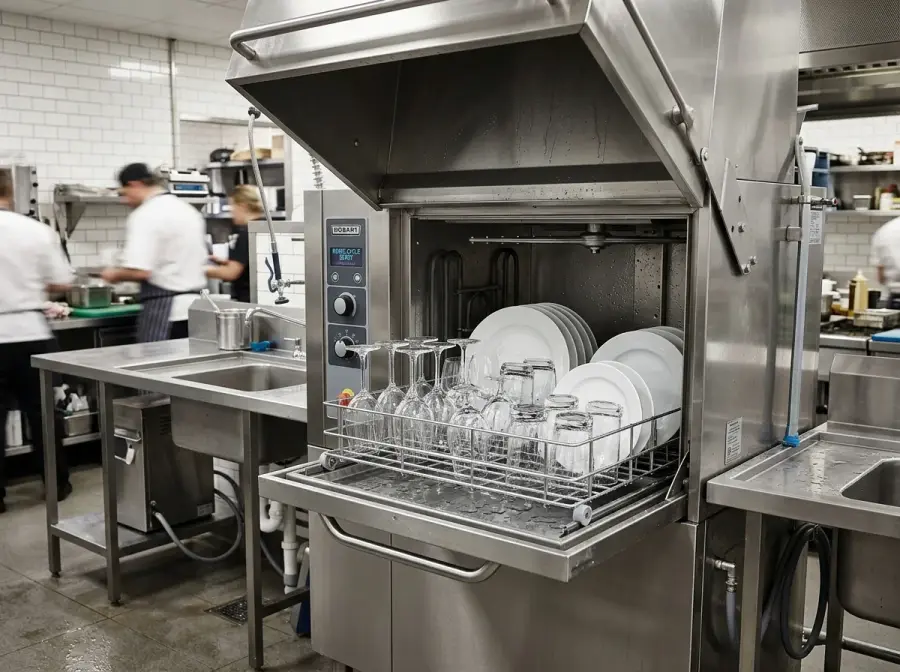
Introduction: The Vital Role of the Water Inlet Solenoid Valve in Warewashing
In high-volume commercial dining operations, country clubs, medical culinary facilities, and sports bars throughout Alpharetta, GA, warewashing hygiene is not merely a convenience—it is a non-negotiable legal requirement enforced strictly under Fulton County Environmental Health inspections and Georgia Food Service Code Chapter 511-6-1. Commercial dishwashers manufactured by CMA Dishmachines have earned widespread reverence across North Fulton culinary establishments due to their robust mechanical cam-driven architectures, stainless steel tank construction, and high-velocity water wash arms. From compact undercounter dish machines like the low-temperature CMA L-1X chemical sanitizing unit to heavy-duty upright door machines such as the high-temperature CMA-180 and high-output EST-44 conveyor systems, these commercial appliances must cycle dozens of racks per hour without hesitation. Relying on professional dishwasher repair services ensures that every rack meets strict regulatory sanitizing standards.
Every successful sanitization cycle in a CMA dishmachine begins with precise hydraulic metering controlled entirely by the commercial water inlet solenoid fill valve. In low-temperature chemical machines, the solenoid valve must deliver exactly 1.7 to 2.2 gallons of fresh potable water per rack within a tight 10 to 14 second fill window at a minimum temperature of 120°F. In high-temperature sanitizing models, the valve routes fresh water directly through an integrated or external booster heater, lifting incoming line water to a blistering 180°F to 195°F to achieve thermal bacteriological kill without requiring chlorine chemical sanitizers. This complex hydraulic exchange requires precise synchronization between electrical relays, mechanical timers, and pilot-operated fluid dynamics. When businesses need specialized support, our technicians provide comprehensive appliance repair in Alpharetta, GA across every major commercial corridor.
Unlike residential dishwasher valves that operate under intermittent, gentle duty cycles once or twice daily, a commercial dishwasher solenoid valve along the Haynes Bridge Road commercial strip must actuate hundreds of times every single shift. In a busy 200-seat restaurant, the solenoid plunger lifts and slams shut against high municipal water pressure between 40 and 70 times per hour. The valve must withstand extreme mechanical hammering, thermal shock from fluctuating boiler supply lines, and harsh chemical atmospheres laden with airborne vaporized detergents and chlorine sanitizers. When this critical valve experiences electrical coil degradation, armature binding, or internal diaphragm perforation, the entire dishwashing line comes to an immediate, catastrophic halt.
Furthermore, the municipal water supply in North Fulton County contains measurable mineral concentrations of calcium carbonate and dissolved magnesium. As hot water passes through the restricted brass throat of a 1/2-inch commercial solenoid valve, thermal flash precipitates these minerals out of suspension, coating the valve body, internal armature tube, stainless plunger spring, and delicate 1/16-inch pilot bleed hole in rock-hard limescale. Within months of unmaintained operation, this calcification restricts water volume, extends fill cycle times, starves the wash tank, and eventually burns out the 120VAC electrical coil. Securing rapid same-day appliance repair is essential to protect heating elements from catastrophic dry-fire destruction and prevent costly health department citations.
Diagnostic Symptoms: Identifying Water Fill & Solenoid Valve Breakdown
A compromised water inlet solenoid valve or defective cam timer fill circuit manifests in several clear acoustic, operational, and visual indicators. Culinary directors and dish pit supervisors should recognize these specific symptoms immediately:
| Observed Symptom | Underlying Mechanical / Electrical Cause | Warewashing Severity | Immediate Kitchen Protocol |
|---|---|---|---|
| Machine Cycles but Zero Water Enters Tank | Burned-out 120VAC solenoid coil (open circuit / ∞ OL) or clogged line Y-strainer | Critical Emergency | Shut off power immediately to protect wash tank heating element; call commercial service |
| Loud Electrical Buzzing or Humming at Rear Manifold | Solenoid coil receiving 120VAC but plunger seized inside guide tube due to limescale | High (Coil Overheat Risk) | De-energize machine; avoid repeated cycle starts to prevent coil insulation fire |
| Slow Trickle Fill Exceeding Cam Timer Fill Window | Partially calcified valve seat or restricted 1/16″ pilot diaphragm bleed orifice | Moderate to High | Inspect inlet strainer; verify dynamic water pressure meets 20 PSI factory threshold |
| Continuous Unmetered Water Flow / Tank Overflowing | Ruptured rubber diaphragm, broken plunger return spring, or foreign grit holding seat open | Flood & Scald Hazard | Close manual water isolation ball valve immediately; turn off electrical disconnect |
| Violent Water Hammer Banging in Kitchen Pipes | Worn diaphragm closing too abruptly or depleted air arrestor expansion chamber | Medium (Pipe Fracture Risk) | Install commercial water hammer arrestor upstream of 1/2″ solenoid valve body |
| Rinse Arms Drip Constantly Between Cycles | Pitted brass valve seat or defective vacuum breaker backflow prevention check disc | Resource Waste | Schedule rebuild of valve internals and inspect vacuum breaker air gap body |
When commercial kitchens experience simultaneous dish machine breakdown and refrigeration failure, securing certified specialists for emergency appliance repair safeguards dinner service revenues and eliminates health compliance risks across North Fulton County.
Visual Before & After: Solenoid De-Liming & OEM Valve Replacement
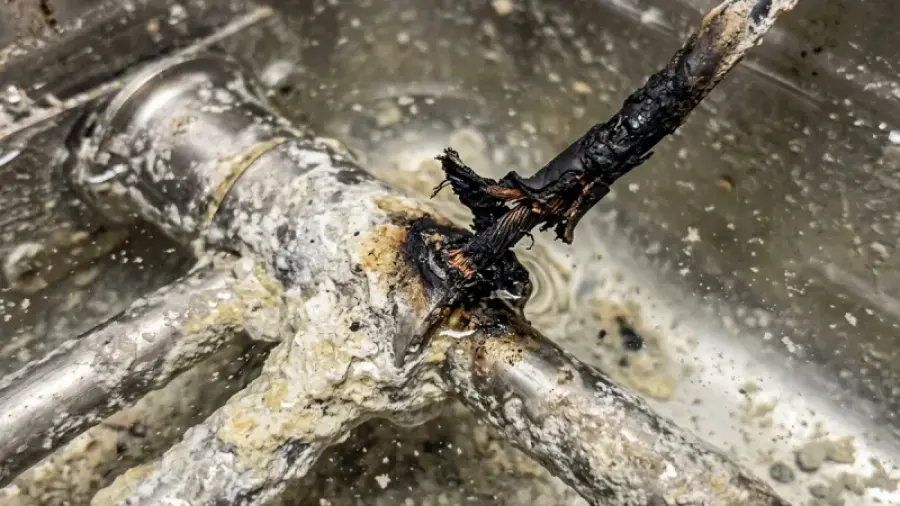
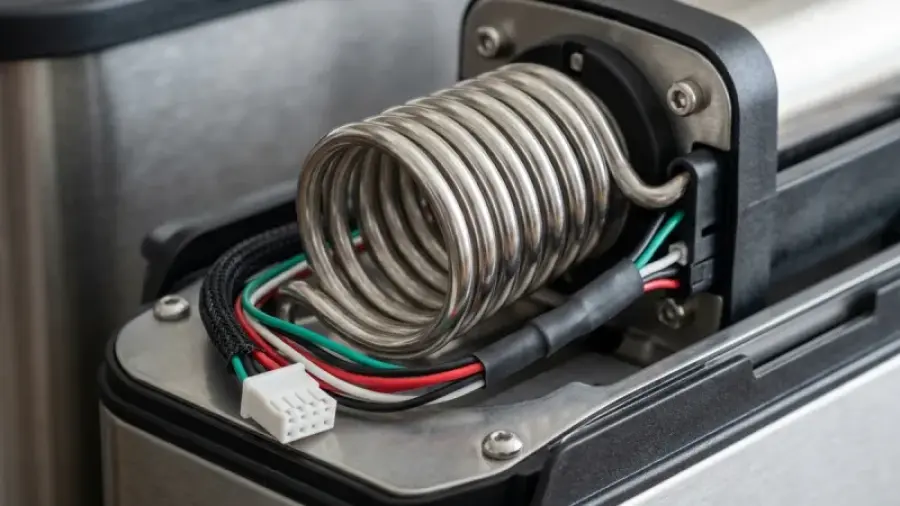
Field Case Review (Haynes Bridge Rd, Alpharetta): On the left, heavy limescale deposits completely seized the solenoid valve armature and ruptured the rubber diaphragm, burning open the 120VAC coil and starving the wash tank. On the right, our master technician installed a genuine factory OEM CMA 1/2-inch 120VAC brass solenoid valve assembly, de-scaled the inlet plumbing manifold, and verified full 20 PSI dynamic flow pressure yielding rapid 90-second cycle replenishment.
Underlying Causes of Solenoid Valve Failure in North Fulton Foodservice
A commercial dishwasher water inlet solenoid valve breakdown is rarely a random event. Instead, it is the cumulative result of hostile commercial kitchen operating environments, aggressive municipal water chemistry, and continuous high-cycle mechanical fatigue:
Hard Water Mineral Calcification & Limescale Seizure in Alpharetta Municipal Water
Although municipal water supplied throughout Alpharetta and Fulton County meets potable EPA safety guidelines, it carries dissolved minerals including calcium bicarbonate and magnesium salts. When water enters a commercial kitchen, it is routed through commercial water heaters and booster tanks that elevate temperatures to between 140°F and 180°F. At these elevated thermal ranges, calcium rapidly precipitates out of solution as solid calcium carbonate scale. Inside the CMA water solenoid valve, this scale encrusts the polished stainless steel plunger and the inner bore of the solenoid guide tube. As friction increases, the magnetic field generated by the coil can no longer lift the stuck plunger against line pressure. The resulting mechanical bind holds the valve closed or prevents it from seating cleanly, starving or flooding the machine. Restaurant facilities in Milton facing identical water hardness challenges routinely rely on our appliance repair in Milton, GA for specialized warewashing de-scaling.
Electrical Burnout & Open Winding in 120VAC Solenoid Coil from Overheating
The electrical solenoid coil on a CMA commercial dishwasher consists of thousands of turns of microscopic copper magnet wire wrapped around a plastic bobbin and encapsulated in epoxy resin. Under normal operation, alternating current generates a strong electromagnetic field that pulls the internal plunger upward into the coil core. When alternating current flows through the coil, inductive reactance keeps current draw low (typically 0.15A to 0.25A holding current). However, if the plunger is mechanically jammed by limescale and cannot move into the center of the coil, the coil cannot establish full inductive reactance. Inrush current (which is 4 to 6 times higher than holding current) flows continuously through the winding. Within minutes, the copper wire overheats, the thin enamel insulation melts, and the internal thermal fuse blows open, leaving the coil completely dead with an open circuit (∞ OL) reading on a digital multimeter.
Perforated or Deformed Rubber Diaphragm & Clogged Pilot Orifice Bleed Hole
CMA commercial dishmachines utilize pilot-operated diaphragm solenoid valves rather than direct-acting valves. Because moving 15 to 20 gallons of water per minute at 20 to 50 PSI would require an enormous, power-hungry electrical electromagnet, a pilot-operated valve uses line water pressure to open and close itself. The flexible rubber diaphragm contains a tiny bleed orifice (approximately 1/16-inch or smaller). When the solenoid is de-energized, water pressure builds above the diaphragm, holding it tightly against the main valve seat. When the coil energizes, the plunger lifts off a miniature pilot hole, releasing water pressure above the diaphragm so line pressure underneath can push the diaphragm upward. If harsh chemical fumes, high water temperatures, or chloramines cause the rubber diaphragm to tear, stretch, or deform, pressure balance collapses. Similarly, if microscopic pipe scale or sand grains clog the tiny bleed hole, pressure cannot equalize, and the valve locks firmly shut or refuses to close.
Mechanical Cam Timer Microswitch Contact Pitting & Burnt Switch Arms
Classic CMA dishmachines, such as the CMA-180 and L-1X, utilize an electro-mechanical cam timer motor that rotates a camshaft featuring adjustable plastic cams. These cams depress physical microswitch arms to energize the wash pump, chemical peristaltic pumps, drain solenoid, and water fill solenoid at exact second intervals. Every time the cam timer microswitch contacts close to energize the inductive solenoid coil, an electrical arc jumps across the silver alloy contacts. Over tens of thousands of cycles, this arcing causes electrical pitting, carbon scorch build-up, and mechanical contact erosion. Eventually, the microswitch contacts develop high internal electrical resistance (exceeding 2.0Ω) or weld together completely. High resistance drops supply voltage to the solenoid below the 102VAC threshold, preventing actuation, while welded contacts cause continuous water flooding. Commercial refrigeration and walk-in coolers utilize similar electro-mechanical timing circuits, supported by our commercial refrigerator repair technicians.
Water Level Float Switch Limescale Binding & Continuity Failure
To prevent wash tank overflow and protect high-wattage electric heating elements from dry-firing, CMA dishmachines incorporate a vertical magnetic reed switch or mechanical microswitch float assembly. The stainless steel or polypropylene float must glide freely up and down a vertical guide rod as water fills the sump. In commercial dish pits, airborne grease, food starch, and detergent slime coat this guide rod. Combined with calcium carbonate scale, the sticky buildup causes the float to stick in the “up” (full tank) position even when the sump is bone dry. Because the control circuit interprets this as a full water tank, it interrupts power to the water fill solenoid circuit, preventing the machine from taking on fresh water. Kitchen facilities in Roswell facing similar float switch and sensor issues frequently call our appliance repair in Roswell, GA for prompt commercial diagnostic service.
Upstream In-Line Y-Strainer Clogging & Low Dynamic Flow Pressure
Factory installation schematics for CMA commercial dishwashers strictly mandate the inclusion of a 1/2-inch brass in-line Y-strainer directly upstream of the water inlet solenoid valve. This strainer houses a fine stainless steel mesh screen designed to trap pipe rust, copper shavings, municipal water main debris, and sediment before it enters the delicate valve body. In many busy kitchens along Haynes Bridge Road, this Y-strainer is neglected for years. As particulate debris blankets the mesh screen, water volume is choked. While static water pressure might register a deceptive 50 PSI when the valve is closed, the moment the solenoid opens, dynamic flow pressure plummets below 5 PSI. This low dynamic volume starves the wash tank, extends cycle times, and causes poor wash results. Heavy commercial laundry systems experience similar intake filtration challenges, outlined in our guide on commercial washing machine repair.
Step-by-Step Operator Troubleshooting: Safe Verifications for Kitchen Staff
Before requesting emergency commercial dishmachine service, kitchen managers and lead dishwashers can conduct several non-invasive, safe verifications to isolate common operational bottlenecks:
Step 1: Verify Manual Water Isolation Valve Position
Trace the 1/2-inch or 3/4-inch hot water supply line from the wall manifold to the back of the CMA dishmachine. Ensure that the brass quarter-turn ball valve handle is oriented perfectly parallel to the copper pipe run. If night cleaning crews or maintenance personnel bumped the valve handle, the water supply may be throttled or completely shut off.
Step 2: Listen for Solenoid Coil Audible Magnetic Hum
With the machine powered on and the cycle start lever engaged (or door closed), position yourself safely near the rear water manifold. Listen intently during the fill segment of the cam cycle. If you hear a distinct 60Hz electrical buzzing or humming, electrical power is successfully reaching the coil, indicating a mechanical plunger seizure or clogged diaphragm bleed hole. If you hear complete silence, the issue is an electrical failure in the coil, cam timer switch, or float circuit.
Step 3: Inspect Sump Overflow Tube and Rubber O-Ring Seating
In CMA models such as the L-1X and CMA-180, water is retained in the wash tank by a vertical stainless steel overflow tube inserted into the bottom drain casting. Remove scrap trays and examine this tube. If the bottom rubber O-ring is torn, cracked, missing, or coated in food debris, fresh water will escape down the drain as fast as the solenoid valve delivers it, creating the false illusion that the machine is not filling. Clean and re-seat the tube firmly.
Step 4: Verify Mechanical Free Movement of the Water Level Float
With the master electrical breaker switched OFF, reach inside the wash tank to locate the stainless or plastic float cylinder. Gently slide the float up and down its vertical shaft. It should move effortlessly under its own weight. If the float feels sticky, gritty, or remains suspended at the top of the shaft, wash away grease accumulations using a soft nylon brush and hot water.
Step 5: Inspect Upstream Water Pressure Gauge (Static vs. Dynamic 20 PSI)
CMA dishmachines incorporate a mechanical pressure gauge on the incoming water line manifold. Observe the needle when the machine is idle (static pressure, typically 40 to 65 PSI). Then trigger a fill cycle and observe the needle during active flow (dynamic flow pressure). The dynamic pressure MUST read between 18 and 22 PSI (factory calibrated to 20 PSI). If pressure drops to zero or bounces violently, the upstream Y-strainer is clogged or the pressure regulating valve (PRV) has failed.
Step 6: Verify Incoming Water Temperature Gauge
Check the dial or digital temperature gauge mounted on the dishmachine fascia. For low-temp chemical machines (L-1X), incoming hot water must register at least 120°F (ideally 140°F) to activate detergent chemistry. For high-temp booster machines (CMA-180), booster water must reach 180°F to 195°F. Water entering below 110°F causes grease to solidify inside valve ports, accelerating mineral sedimentation. Commercial ice equipment in Johns Creek faces similar thermal fluid dynamics, detailed in our review of appliance repair in Johns Creek, GA.
When to Stop DIY: Electrical Voltage, High-Temperature Scalding & Health Codes
Commercial warewashing machines are complex high-voltage industrial appliances operating under harsh hydraulic and chemical conditions. Restaurant operators and in-house handymen must immediately halt troubleshooting and call certified commercial foodservice technicians when encountering dangerous operational thresholds. Commercial kitchens in Alpharetta operating heavy cooking lines alongside dishwashing equipment frequently rely on our commercial oven and range repair services to maintain uninterrupted dinner service.
- 120V / 208V / 240V Live Electrical Exposure: Commercial dishmachines integrate high-current electrical control panels containing motor contactors, cam timers, and 6kW–12kW heating elements. Probing live terminals with improper equipment carries catastrophic shock and electrocution risks in wet dish pit environments.
- High-Temperature 180°F Scalding Water Hazard: Water in high-temperature dishmachines is pressurized and heated up to 195°F. Loosening brass valve bonnets or union couplings under pressure will cause explosive release of boiling water, causing severe third-degree scald burns in less than one second.
- Fulton County Health Department Sanitization Mandates: Georgia Food Service Rule Chapter 511-6-1 requires that commercial dishwashers achieve verified bacteriological kill on every cycle (50 ppm chlorine chemical sanitization at 120°F or 180°F final thermal rinse). Operating a machine with an improvised or non-OEM valve compromises sanitation, risking immediate health permit revocation.
- Plumbing Backflow & Cross-Connection Contamination: Commercial dishwashers must incorporate certified atmospheric vacuum breakers (AVBs) to prevent back-siphonage of dirty dishwater into municipal drinking lines. Disassembling or bypassing these plumbing assemblies violates IPC (International Plumbing Code) regulations.
Repair vs. Replace Decision Matrix: Commercial Warewashing Equipment
A heavy-duty CMA commercial dishwasher represents a substantial capital asset for any Alpharetta restaurant, with new undercounter models costing between $4,500 and $6,500, and commercial door-type or conveyor models ranging from $9,000 to over $16,000 installed. Replacing a water inlet solenoid valve is an overwhelmingly cost-effective repair that preserves capital reserves. Restoring a commercial dishmachine often coincides with other back-of-house equipment updates; learn more about our comprehensive refrigerator repair solutions for complete commercial kitchen refrigeration efficiency.
| Component Diagnostic Condition | Equipment Age | Estimated Repair Cost | Recommended Action | Business & ROI Rationale |
|---|---|---|---|---|
| Failed Solenoid Coil or Diaphragm Only | 1–8 Years | $280 – $440 | Direct OEM Repair | Installing a factory OEM solenoid valve restores complete fill volume at less than 5% of new machine cost. |
| Solenoid Valve + Cam Timer Assembly | 4–12 Years | $520 – $780 | Direct OEM Overhaul | Restores factory cycle timing and precision valve actuation, yielding another 5–7 years of reliable service. |
| Wash Pump Motor Seized + Rotted Booster Tank | 12–16 Years | $2,800 – $3,900 | Evaluate Replacement | Multiple catastrophic failures approach 50% replacement threshold; transition to modern ENERGY STAR unit. |
| Perforated Stainless Sump Basin + Frame Corrosion | 15+ Years | $4,500+ | Full Unit Replacement | Structural stainless chassis failure cannot be safely patched; replace unit to meet health department standards. |
Restaurants operating commercial refrigeration equipment alongside warewashing machines can explore our dedicated commercial freezer repair services for comprehensive back-of-house preventive care.
Cost Factors Influencing Commercial Dishwasher Repairs in Alpharetta
When foodservice managers along the Haynes Bridge Road corridor receive a repair quote for a malfunctioning CMA dishmachine water inlet valve, several critical technical factors determine the total service investment:
- Valve Architecture (Complete Brass Assembly vs. Rebuild Kit): If the solid forged brass valve body is free from internal wire-draw erosion and pitting, our technicians can install an OEM diaphragm and plunger rebuild kit ($90–$140 part cost). However, if the internal brass valve seat is scarred by limescale or the coil bobbin has fused, replacing the complete factory-assembled 1/2-inch 120VAC brass valve ($180–$260 part cost) is required to guarantee zero leaks.
- Dual-Solenoid vs. Single-Solenoid Plumbing Configurations: While low-temperature chemical machines (L-1X) use a single solenoid valve to handle both tank fill and final rinse, high-temperature machines (CMA-180) often utilize two dedicated solenoid valves: one for cold/hot fresh tank fill and another high-pressure rated valve for the 180°F booster rinse system. Servicing dual valves requires additional labor and pressure balancing. Commercial refrigeration systems have similar multi-valve considerations, as seen in our refrigeration repair services.
- Limescale Calcification Severity & Manifold De-Liming: If mineral scale has extended beyond the valve throat into the vacuum breaker, pressure gauge snubber, and rinse injector nozzles, the technician must spend 45 to 75 minutes performing chemical de-scaling to prevent newly installed valve components from immediately binding.
- Emergency Peak Rush Dispatch: Commercial dishwashers typically fail during active lunch or dinner rushes when the machine is pushed to maximum cycle capacity. Priority same-day emergency dispatch ensures that a certified commercial technician arrives within 45 to 90 minutes with factory OEM parts stocked on-board.
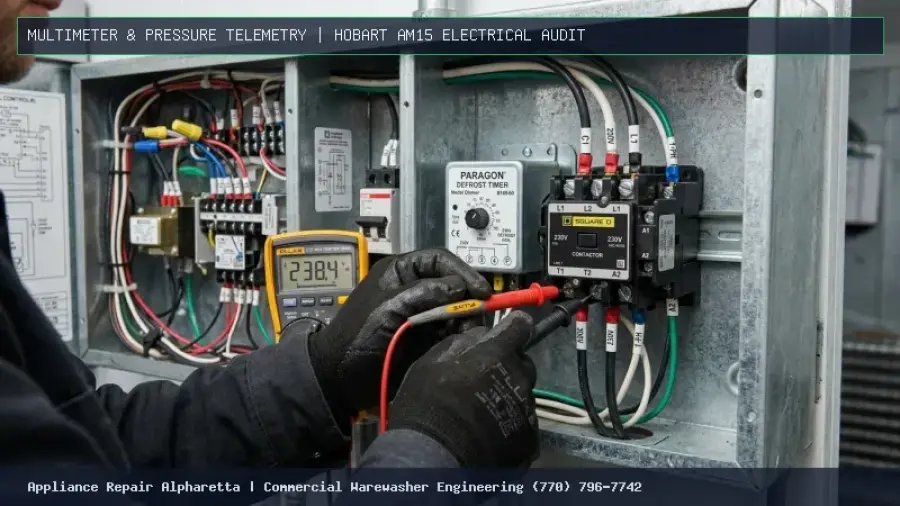
How Master Technicians Diagnose Solenoids (Multimeter Telemetry & Ohms)
Master certified commercial foodservice technicians utilize systematic electrical, hydraulic, and mechanical diagnostic protocols to isolate warewashing water fill failures:
First, the technician uses a true-RMS digital multimeter to measure AC voltage across the two electrical spade terminals of the 120VAC water inlet solenoid coil during the active fill portion of the cam cycle. For standard CMA 115V/120V commercial control circuits, the multimeter must read between 110V and 124V AC. If line voltage is present but the solenoid produces no mechanical click and no water flows, the electrical coil winding or internal thermal cutoff fuse has failed. High-end residential appliances like Sub-Zero share similar electrical diagnostic standards, supported by our Sub-Zero appliance repair experts.
Second, the technician cuts electrical power at the external wall disconnect switch and disconnects the lead wires from the solenoid coil to measure DC coil resistance using the multimeter ohms (Ω) setting. A healthy factory OEM CMA 120VAC water fill solenoid coil registers between 160 Ω and 220 Ω at room temperature (70°F). A reading of infinity (∞ OL) confirms an open winding or blown internal thermal fuse, demanding immediate coil replacement. A low reading below 50 Ω indicates shorted turns within the winding, which causes high current draw and trips branch circuit breakers.
Third, the technician measures contact continuity across the cam timer fill microswitch and the water level float switch. The microswitch contacts must read less than 0.2 Ω of closed resistance during cam depression. If contact resistance measures 1.0 Ω or higher, electrical pitting is dropping voltage under load. Finally, the technician attaches a fluid pressure gauge to verify dynamic flow pressure at exactly 20 PSI while the valve is open. Premium residential dishwashers also require precise telemetry checks, as detailed in our guide to KitchenAid appliance repair.
| Component / Test Point | Measurement Parameter | Normal Factory Specification | Fault / Failure Threshold |
|---|---|---|---|
| 120VAC Water Fill Solenoid Coil | Resistance (Ω Ohms Multimeter) | 160 Ω to 220 Ω at 70°F | ∞ OL (Open Coil) or < 50 Ω (Shorted) |
| Solenoid Supply Line Voltage | AC Volts during Fill Cam Segment | 120V AC ± 10% (108V to 126V) | 0V AC (Cam Timer Contact Open / Blown Fuse) |
| Cam Timer Fill Microswitch Contacts | Contact Resistance (Ohms Closed) | < 0.20 Ω (Clean Closed Contact) | > 1.0 Ω (Pitted Contacts / Voltage Drop) |
| Water Level Float Switch Assembly | Continuity (Dry vs. Sump Full) | Closed (0 Ω) Dry / Open (∞) Full | Stuck Open at 0 Gal (Float Bound by Scale) |
| Dynamic Flow Water Pressure | PSI on Manifold Pressure Gauge | 18 to 22 PSI (Calibrated 20 PSI) | < 15 PSI (Clogged Strainer) or > 25 PSI |
| Tank Fill Delivery Volume | Gallons per 12-Second Fill Cycle | 1.7 to 2.2 Gallons per Rack | < 1.2 Gal (Short Fill / Element Exposure) |
Commercial ice making systems and walk-in freezers utilize similar solenoid and fluid metering diagnostics, as explored in our technical overview of commercial ice machine repair. Rigorous telemetry ensures exact diagnostic accuracy.
Critical Factory OEM Parts in CMA Water Solenoid Overhauls
Restoring a CMA commercial dishwasher to factory hydraulic specifications requires certified genuine OEM parts built to endure high operating temperatures and continuous commercial duty cycles:
- CMA 1/2″ 120VAC Complete Water Solenoid Valve (Part #00707.00 / #00707.95): Heavy-duty forged brass body, reinforced EPDM pilot-operated diaphragm, and precision 120VAC epoxy-encapsulated coil.
- CMA 120VAC Replacement Solenoid Coil Only (Part #00738.10): Factory OEM encapsulated replacement coil with 1/4″ male spade terminals delivering calibrated 160–220Ω winding resistance.
- CMA Water Solenoid Valve Rebuild Kit (Part #00705.00): Genuine pilot diaphragm, stainless steel armature plunger, plunger return spring, and synthetic bonnet seal ring.
- CMA Electro-Mechanical Cam Timer & Microswitch Assembly (Part #00411.00 / #00418.00): Precision synchronous gear motor with calibrated camshaft and high-current snap-action microswitches.
- CMA Water Level Float Switch Assembly (Part #13463.10): Stainless steel hermetically sealed magnetic reed float switch with chemical-resistant guide tube.
- CMA 1/2″ Brass In-Line Y-Strainer (Part #00743.10): Forged brass body with 50-mesh stainless steel screen protecting downstream solenoid seats from particulate debris.
- CMA 1/2″ Atmospheric Vacuum Breaker (Part #00715.00): Certified backflow prevention assembly preventing dishwater siphoning into potable lines.
Ensuring immediate access to genuine factory OEM replacement parts is equally vital across commercial laundry and drying equipment, as detailed in our guide to commercial dryer repair.
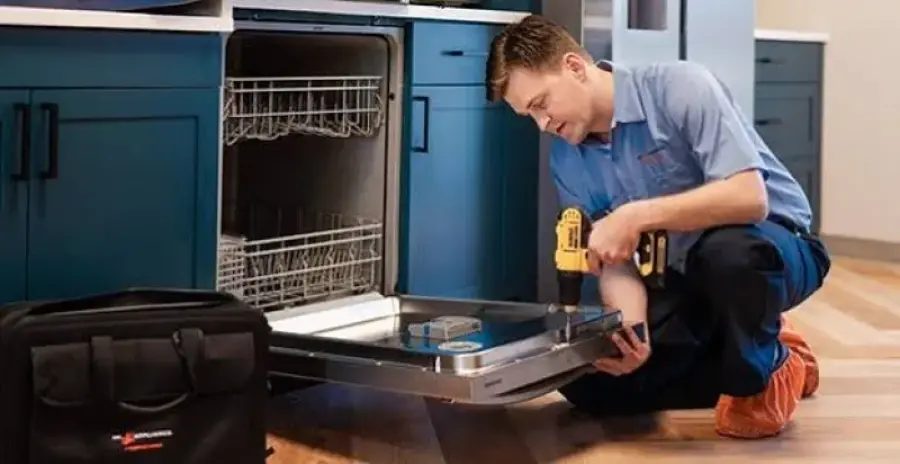
Preventive Maintenance Protocols to Prevent Warewashing Calcification
Preventing water inlet solenoid valve failure and catastrophic dish pit shutdowns along Haynes Bridge Road requires structured, scheduled preventive maintenance protocols:
- Weekly De-Liming and De-Scaling Routine: Follow the manufacturer’s de-liming procedure using a dedicated food-grade phosphoric or sulfamic acid chemical solution. Pump the de-limer through the wash and rinse manifolds to dissolve calcium carbonate scale before it crusts around the solenoid plunger and guide tube.
- Monthly Upstream In-Line Y-Strainer Cleaning: Close the manual water isolation valve, unscrew the brass hex plug at the base of the Y-strainer, and slide out the stainless steel mesh screen. Rinse accumulated sand, rust flakes, and pipe debris under a high-pressure tap before reinstalling.
- Bi-Weekly Water Level Float Inspection & Sump Scrape: Remove all interior scrap baskets and manually inspect the float mechanism. Wipe away grease, food pulp, and mineral film using a non-scratch pad to ensure the float glides freely without binding.
- Quarterly Dynamic Water Pressure Calibration: Verify that the incoming water pressure regulator delivers exactly 20 PSI dynamic flow pressure while the solenoid is open. Operating above 25 PSI causes severe water hammer that fatigues the rubber diaphragm prematurely.
- Annual Water Softener Inspection: Test incoming water hardness using a calibrated test strip. If water hardness exceeds 3.0 grains per gallon (GPG), regenerate the commercial water softener to safeguard the dishmachine heating elements and plumbing manifolds.
To establish a structured commercial kitchen service plan or schedule priority emergency dispatch, restaurant operators can easily contact our Alpharetta dispatch team for tailored maintenance coverage.
Safety Protocols: High Voltage, 180°F Water Scalds & Georgia Health Standards
Operating and servicing commercial warewashing equipment involves potent electrical voltages, scalding water temperatures, and aggressive sanitizing chemicals:
- Strict OSHA Lockout / Tagout (LOTO) Compliance: Always shut off the external high-amperage circuit breaker or rotary disconnect switch before removing dishmachine side panels or servicing solenoid wiring. The presence of water and conductive stainless steel creates severe shock risks.
- Boiling Water Thermal Scald Protection: High-temperature booster heaters maintain rinse water at 180°F to 195°F. Never loosen plumbing fittings, solenoid valve bonnets, or vacuum breaker unions without verifying that upstream supply valves are closed and water pressure is completely bled off.
- Chemical Sanitizer Exposure Safety (Chlorine Bleach & Acids): In low-temperature chemical dishmachines (L-1X), sodium hypochlorite sanitizer (chlorine bleach) is injected during the rinse phase. Never mix chlorine sanitizers with acid de-liming solutions; chemical contact releases deadly chlorine gas that causes severe respiratory failure.
- Georgia Department of Public Health Sanitization Verification: Test sanitized dishware surfaces daily using thermo-labels (160°F plate surface temp for high-temp machines) or chlorine test strips (50 ppm to 100 ppm for low-temp units). Maintaining logs guarantees compliance during unannounced Fulton County health audits.
Frequently Asked Questions (Interactive Technical Accordions)
Below are 18 in-depth, expert answers to the most common questions regarding CMA commercial dishwasher water inlet solenoid valves, cam timers, and fill diagnostics in Alpharetta, GA:
Why is my CMA commercial dishwasher humming loudly but not taking in any water?
An audible 60Hz magnetic hum confirms that the 120VAC solenoid coil is receiving electrical power from the cam timer circuit. However, the internal stainless steel plunger is mechanically seized inside the guide sleeve due to calcium carbonate mineral scale, or the rubber diaphragm’s miniature pilot bleed hole is choked with sediment. Because the plunger cannot lift, line water pressure remains trapped above the diaphragm, holding the valve seat firmly closed.
What is the correct multimeter resistance reading for a CMA 120VAC water solenoid coil?
A genuine factory OEM CMA 120VAC water fill solenoid coil (such as CMA Part #00738.10) must measure between 160 Ω and 220 Ω of electrical resistance across its terminal spade lugs at 70°F ambient temperature. A reading of infinity (∞ OL) indicates a blown internal thermal fuse or severed copper winding, while a reading under 50 Ω reveals shorted turns that will trip branch breakers.
What causes a commercial dishwasher to continue filling with water even when powered off?
If water continues flooding into the dishmachine when the power switch is OFF, the failure is 100% mechanical rather than electrical. The internal rubber diaphragm has torn, the stainless plunger return spring has snapped, or hard pipe grit is physically wedged beneath the rubber valve seat. Shut off the manual brass water isolation valve immediately to prevent kitchen flooding.
Why is dynamic water pressure so critical on a CMA commercial dishwasher?
Dynamic flow pressure (measured while the valve is open) must register at exactly 20 PSI (±2 PSI). If pressure falls below 18 PSI, water volume is insufficient to satisfy the 12-second cam fill timer, resulting in a short wash tank that exposes electric heating elements to burnout. If pressure exceeds 25 PSI, violent water hammer damages internal diaphragms and causes chemical sanitizer foaming.
How does the cam timer regulate water fill on a CMA L-1X or CMA-180 machine?
The cam timer consists of a continuous synchronous motor driving a camshaft equipped with adjustable plastic cam lobes. Microswitch #2 rides upon the fill cam lobe. When the cam lobe depresses the microswitch roller arm, 120VAC is routed directly to the water inlet solenoid coil for exactly 10 to 14 seconds, delivering approximately 1.7 to 2.2 gallons of fresh water to complete the cycle.
Can I rebuild a CMA water solenoid valve, or must I replace the entire brass valve assembly?
If the forged brass valve body is free of internal wire-draw erosion and corrosion pitting, installing a genuine factory OEM CMA rebuild kit (Part #00705.00 containing a new diaphragm, plunger, and spring) is completely effective. However, if the brass seat is scored or the coil guide sleeve has suffered thermal deformation, replacing the complete valve assembly guarantees 100% long-term reliability.
What role does the in-line Y-strainer play, and how often must it be cleaned?
The upstream Y-strainer houses a fine 50-mesh stainless steel screen that catches pipe scale, sand grains, and rust particles before they enter the solenoid valve. If this screen is neglected, debris blocks the tiny 1/16-inch pilot bleed hole in the solenoid diaphragm, causing valve failure. It should be unscrewed and cleaned at least once per month in commercial kitchens.
Why does my dishwasher water supply line bang loudly when the solenoid closes?
This banging sound is known as water hammer. Because commercial solenoid valves close abruptly in milliseconds, the momentum of rapidly moving water creates a high-pressure shockwave that rattles copper pipes. Installing an ANSI/ASSE 1010-certified commercial water hammer arrestor directly upstream of the valve absorbs this hydraulic shockwave and protects fittings from bursting.
What happens if the water level float switch sticks in the up position?
If the float switch cylinder is encrusted with food grease and limescale, it will remain stuck at the top of the guide rod even when the tank is completely dry. Because the electrical circuit falsely perceives that the wash tank is full, it locks out the fill solenoid circuit. Cleaning the float shaft restores normal free vertical travel.
What is the difference between a low-temperature chemical machine and a high-temp booster machine?
A low-temperature dishmachine (e.g. CMA L-1X) operates with incoming water at 120°F to 140°F and relies on an automated peristaltic pump injecting 50 ppm sodium hypochlorite chemical sanitizer. A high-temperature machine (e.g. CMA-180) incorporates an electric booster heater to lift final rinse water to 180°F–195°F, achieving thermal bacteriological sanitization without chemical bleach.
Why did my wash tank electric heating element burn out after the dishmachine failed to fill?
Commercial dishmachine electric immersion elements (6,000W to 12,000W) are engineered to operate completely submerged in liquid water, which dissipates intense thermal energy. If the water fill solenoid fails or the tank underfills while the low-water float safety circuit is defective, the element dry-fires in open air, melting its Incoloy sheath within seconds.
What is the purpose of the atmospheric vacuum breaker mounted above the rinse manifold?
The atmospheric vacuum breaker (AVB) is a mandatory plumbing backflow prevention device. If municipal water pressure suddenly drops while the dishmachine is operating, the AVB drops a mechanical float disc, admitting atmospheric air to break any vacuum and preventing contaminated dish pit water from being siphoned backward into potable drinking lines.
Can I use a standard residential dishwasher solenoid valve as a temporary replacement?
Never. Residential dishwasher valves feature small plastic bodies with restricted flow rates (typically 0.8 to 1.2 GPM) engineered for low-pressure 45-minute cycles. A commercial CMA machine requires a heavy-duty 1/2-inch brass valve delivering over 8 to 12 GPM under continuous 180°F temperatures. A residential valve will melt, starve the machine, and fail within hours.
How long does an emergency CMA solenoid valve replacement take on-site?
Our service vehicles dispatched across Alpharetta carry factory-original CMA 1/2-inch 120VAC brass solenoid assemblies, rebuild kits, Y-strainers, and cam microswitches. A complete diagnostic evaluation, manifold de-scaling, and OEM valve installation is typically completed in 60 to 90 minutes on the same day.
How often should a restaurant de-lime a commercial CMA dishmachine in Alpharetta?
In high-turnover restaurants along Haynes Bridge Road, dish machines should undergo chemical de-liming at least once every 7 to 14 days. If the incoming municipal water hardness exceeds 5 grains per gallon and no commercial water softener is present, weekly de-liming is mandatory to protect solenoids, spray arms, and booster elements.
What causes microswitches on the cam timer assembly to burn out?
Every time the cam timer microswitch snaps open or closed under the inductive electrical load of a solenoid coil or wash pump motor, a high-voltage electrical arc occurs across the contacts. Over tens of thousands of cycles, this arcing erodes the silver plating, leaving carbon soot that causes contact resistance to climb or welds the contacts together.
What health inspection violations occur when a dishmachine solenoid valve malfunctions?
Under Fulton County Health Inspection guidelines, failure to provide adequate water temperature (180°F rinse) or sufficient water volume to dilute chemical sanitizers (50 ppm chlorine) is cited as a Critical Food Safety Violation. Inspectors will immediately shut down the dish pit, requiring manual three-compartment sink washing until repairs are certified.
Why choose factory-certified commercial technicians over general restaurant handymen?
Commercial dishmachines operate under strict municipal plumbing codes, high-voltage electrical safety standards, and state health laws. Our master certified foodservice specialists carry calibrated true-RMS multimeters, dynamic flow pressure gauges, certified OEM CMA inventory, and comprehensive 90-day parts and labor warranties, ensuring flawless health audit compliance.
Related Commercial Foodservice Equipment & Appliance Services
Our commercial foodservice field engineering team provides complete diagnostic, repair, and preventive maintenance solutions across all commercial kitchen and warewashing systems in Alpharetta and Fulton County:
Key Takeaways for Alpharetta Restaurant Operators & Executive Chefs
- Vital Hydraulic Gatekeeper: The water inlet solenoid valve is the mechanical gatekeeper of sanitization in CMA commercial dishwashers, metering fresh water under strict pressure guidelines.
- Diagnostic Resistance Telemetry: A healthy factory OEM 120VAC CMA water fill solenoid coil measures between 160 Ω and 220 Ω; an infinite (∞ OL) reading confirms thermal coil burnout.
- Limescale Mitigation: Alpharetta municipal water mineral hardness accelerates solenoid plunger seizure; regular chemical de-liming protects valve seats and heating elements.
- Dynamic Flow Pressure: Dynamic water flow pressure must be maintained at 20 PSI to prevent wash tank starvation or damaging water hammer shockwaves.
- In-Line Y-Strainer Care: Monthly cleaning of the upstream 50-mesh brass Y-strainer screen prevents foreign grit from clogging the critical 1/16-inch diaphragm bleed orifice.
- Health Department Compliance: Operating a dishmachine with inadequate fill water or temperature violations risks immediate health permit suspension under Georgia Code 511-6-1.
- Priority Local Response: Same-day emergency commercial warewashing dispatch is readily available across Haynes Bridge Road, North Point Parkway, and Old Milton Parkway with genuine OEM CMA parts.
Call to Action: Emergency Commercial Warewashing Dispatch in Alpharetta
Priority Commercial Warewashing Dispatch
Restore Full Water Flow & Sanitization to Your Dish Machine Today
Don’t let a seized water inlet solenoid valve or defective cam timer shut down your dish pit during peak dinner service. Our master certified commercial foodservice technicians provide same-day emergency diagnostics, chemical de-scaling, and genuine OEM CMA valve replacements across Alpharetta, GA.
Master Certified Commercial Foodservice Specialists • Licensed & Insured • 90-Day Comprehensive Warranty